Orphanages and Children's Homes
Institutions that sheltered Jewish children in Antwerp during the Holocaust.
Following the onset of deportations and mass arrests of Jewish families in Antwerp in the summer of 1942, hundreds of Jewish children were left without parents or guardians. In the wake of these arrests, some children were placed in municipal orphanages, children's homes, or non-Jewish private institutions, while others were taken in by courageous caregivers.
Despite the extreme risks involved under German military occupation, various directors, nurses, and rescue networks attempted to protect and hide these children. However, the municipal institutions remained under surveillance. On September 21, 1942, the German military administration carried out a systematic raid on Antwerp's municipal orphanages, leading to the arrest and subsequent deportation of dozens of Jewish children via the Dossin Barracks in Mechelen to Auschwitz-Birkenau.
This page documents the historical role of these orphanages, the fate of the children who passed through them, and the caregivers who risked their lives to shelter them.
Antwerp Institutions
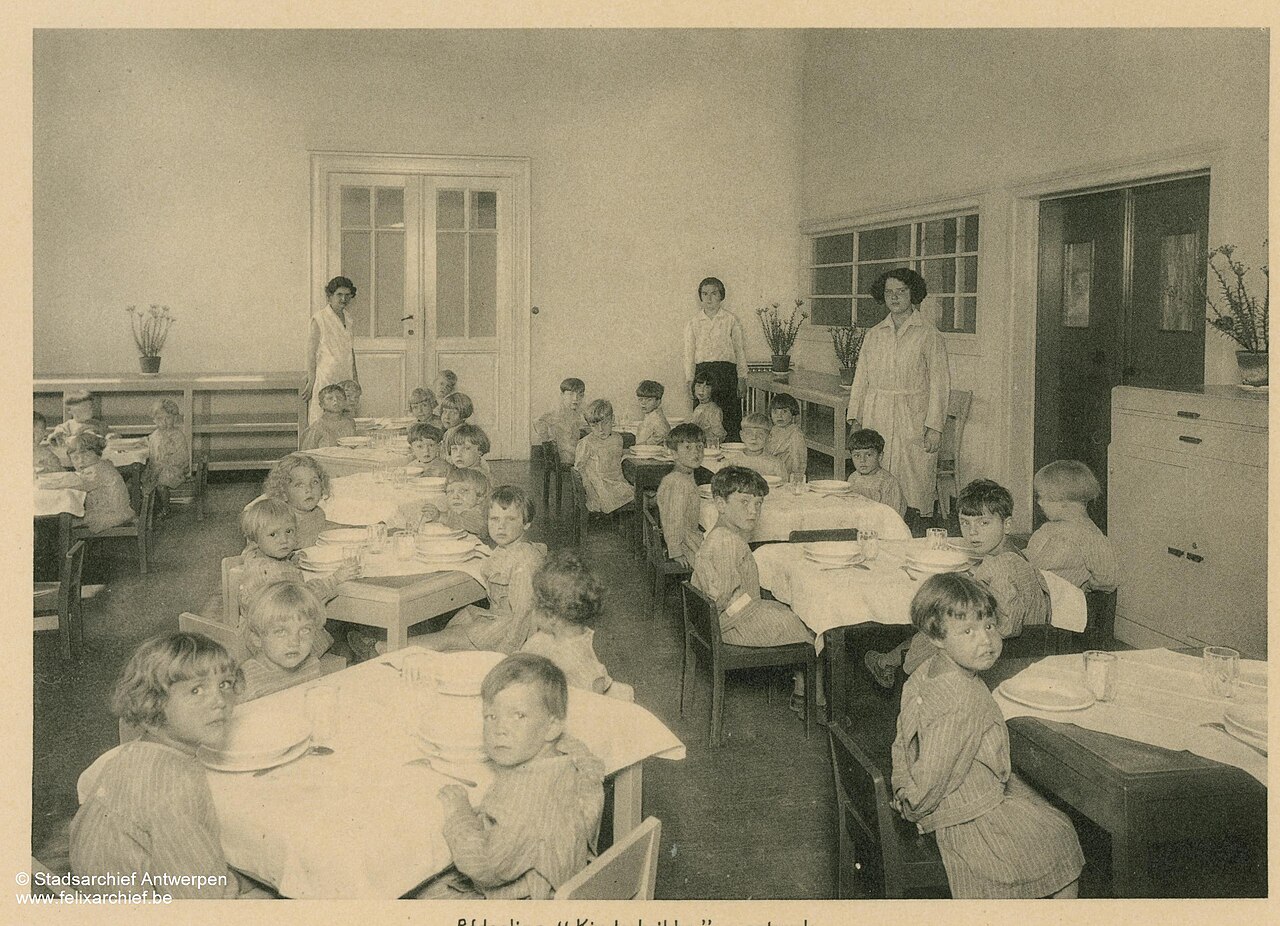
The Meisjeshuis (Girls' Home) in Antwerp was a municipal orphanage that became a critical refuge for Jewish girls whose parents had been arrested and deported during the summer of 1942.
Holocaust Role: The home provided shelter under the constant threat of inspections. Caregivers and sympathetic staff members attempted to protect the children by delaying official registration and hiding individuals whenever possible.
Fate: On September 21, 1942, German occupation forces carried out a systematic raid on the municipal orphanages. The Jewish girls were arrested, sent to the Dossin Barracks in Mechelen, and subsequently deported to Auschwitz-Birkenau. Very few survived.
Read Full History →
Location: Albert Grisarstraat, Antwerp
Institution Type: Municipal Girls' Orphanage
Rescue Connection: Clandestine aid coordination
Primary Sources: FelixArchief Antwerp, Kazerne Dossin
The Jongenshuis (Boys' Home) was Antwerp's historic municipal orphanage for boys, functioning as a temporary refuge for Jewish boys during the peak of anti-Jewish roundups.
Holocaust Role: Housed and supported boys left parentless. Members of the municipal staff and sympathizers made efforts to coordinate with underground resistance networks, trying to falsify records or delay registration before inspections.
Fate: Targeted during the tragic raid on September 21, 1942. Virtually all Jewish boys housed in the institution were arrested, taken to the Dossin Barracks, and deported to concentration camps.
Read Full History →
Location: Durletstraat, Antwerp
Institution Type: Municipal Boys' Orphanage
Rescue Connection: Falsification & registration delays
Primary Sources: FelixArchief Antwerp, survivor testimonies
The Pennsylvania Foundation functioned as a day nursery and children's refuge in Antwerp, providing essential food, healthcare, and shelter for vulnerable infants and young children of persecuted parents.
Holocaust Role: In cooperation with the underground *Comité de Défense des Juifs* (CDJ), the home served as a major transit node for smuggling children out of the city and placing them with Catholic foster families in rural areas under false identities.
Fate: While many children were successfully saved through placement in hiding, others were seized during subsequent inspections and raids.
Read Full History →
Location: Antwerp
Institution Type: Day Nursery & Day Shelter
Rescue Connection: Clandestine smuggling with the CDJ
Primary Sources: CDJ clandestine reports, postwar records
The Jewish Orphanage on Lange Leemstraat was the primary pre-war orphanage run directly by the Jewish community of Antwerp, caring for Jewish orphans and vulnerable children.
Holocaust Role: In the early days of the occupation, it continued to operate under extreme restrictions. As the anti-Jewish measures intensified, community leaders dispersed the children to rural areas or private homes.
Fate: Operations ceased as children were forced into hiding or rounded up in separate actions. The building was eventually seized and shuttered by the occupation authorities.
Read Full History →
Location: Lange Leemstraat, Antwerp
Institution Type: Community Jewish Orphanage
Rescue Connection: Placement dispersion networks
Primary Sources: Antwerp Community Memorial Books
Related Rescue Institution Outside Antwerp
Note: This case study is included due to its historical importance to Jewish child rescue networks in occupied Belgium.
Rabbi Yona Tiefenbrunner operated a Jewish children's home in Brussels (known as the Home de la Glacière) that became one of the key wartime Jewish orphanage networks in occupied Belgium.
Between 1942 and 1944, under extreme wartime conditions, Rabbi Tiefenbrunner and his staff cared for hundreds of Jewish children. He maintained a warm, protective environment under the constant threat of raids, and worked secretly with underground rescue organizations to place children in hiding.
The home successfully remained open during the occupation, serving as a refuge for orphans and children whose parents had been deported. Following the liberation, it continued to operate as an orphanage for survivor children until 1960.
Read Full History →
Location: Rue de la Glacière, Brussels
Years Active: 1942–1960
Relevance: Collaborated with Antwerp resistance networks to smuggle children to safety.
Children Database & Records
Caregivers and Staff
Individuals who attempted to shelter and rescue children.
Yvonne Nèvejean
Brussels & Antwerp • Director of the ONE
One of the primary leaders in the rescue of Jewish children in occupied Belgium. Coordinated with the CDJ to place thousands of children in municipal and private orphanages, foster homes, and convents. Recognized as Righteous Among the Nations.
Rabbi Yona Tiefenbrunner
Brussels • Home de la Glacière Director
Managed the Jewish children's home in Brussels, sheltering hundreds of children. He maintained Jewish education and community life during the occupation under extreme pressure and food scarcity.
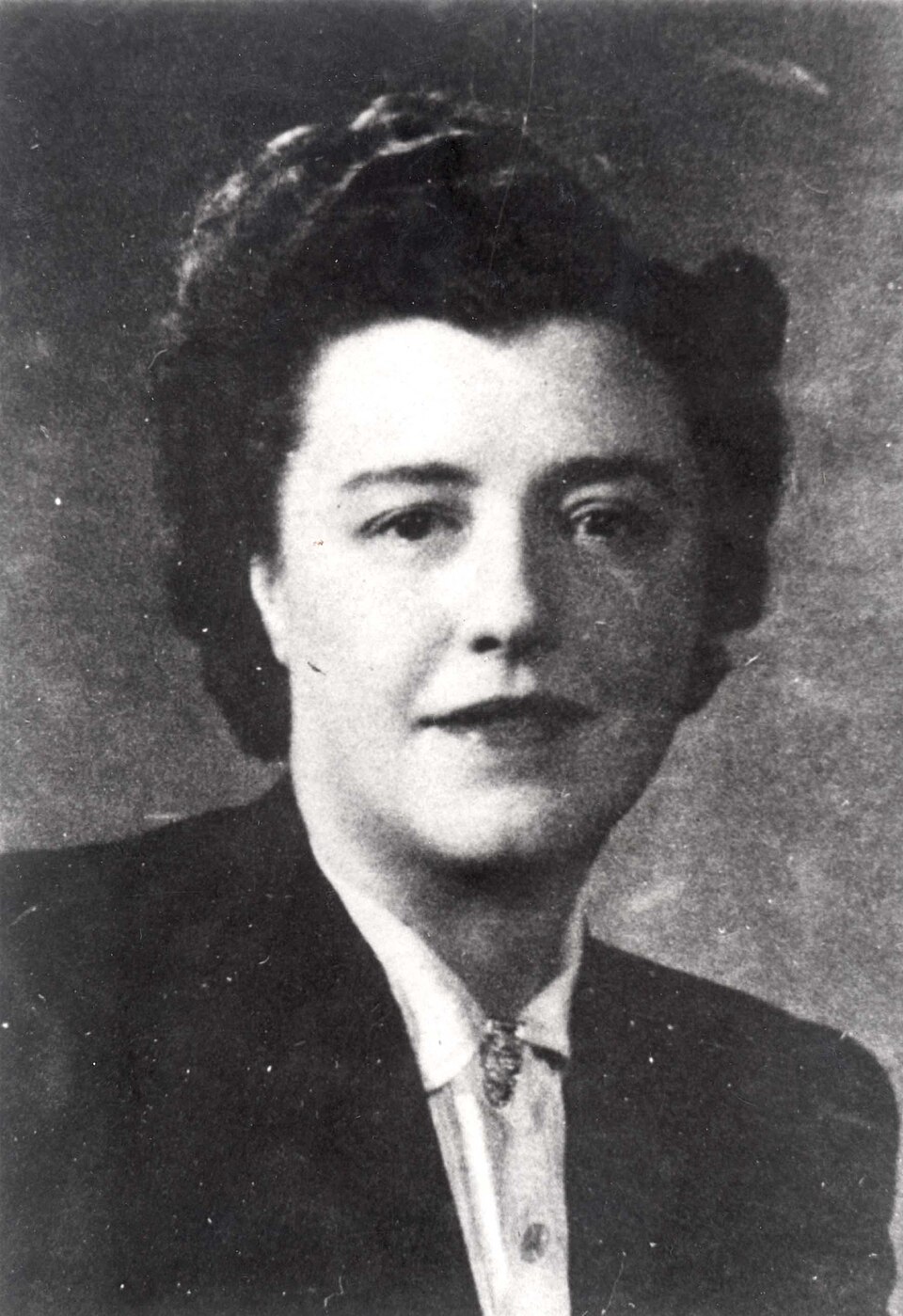
Marie-Thérèse De Clerck
Antwerp • Municipal Nurse
A nurse at the Antwerp Meisjeshuis who worked secretly with underground networks. She helped alert families before the September 1942 raid, enabling several children to escape.
Archive Gallery
Antwerp Girls' Orphanage dining room, 1934.
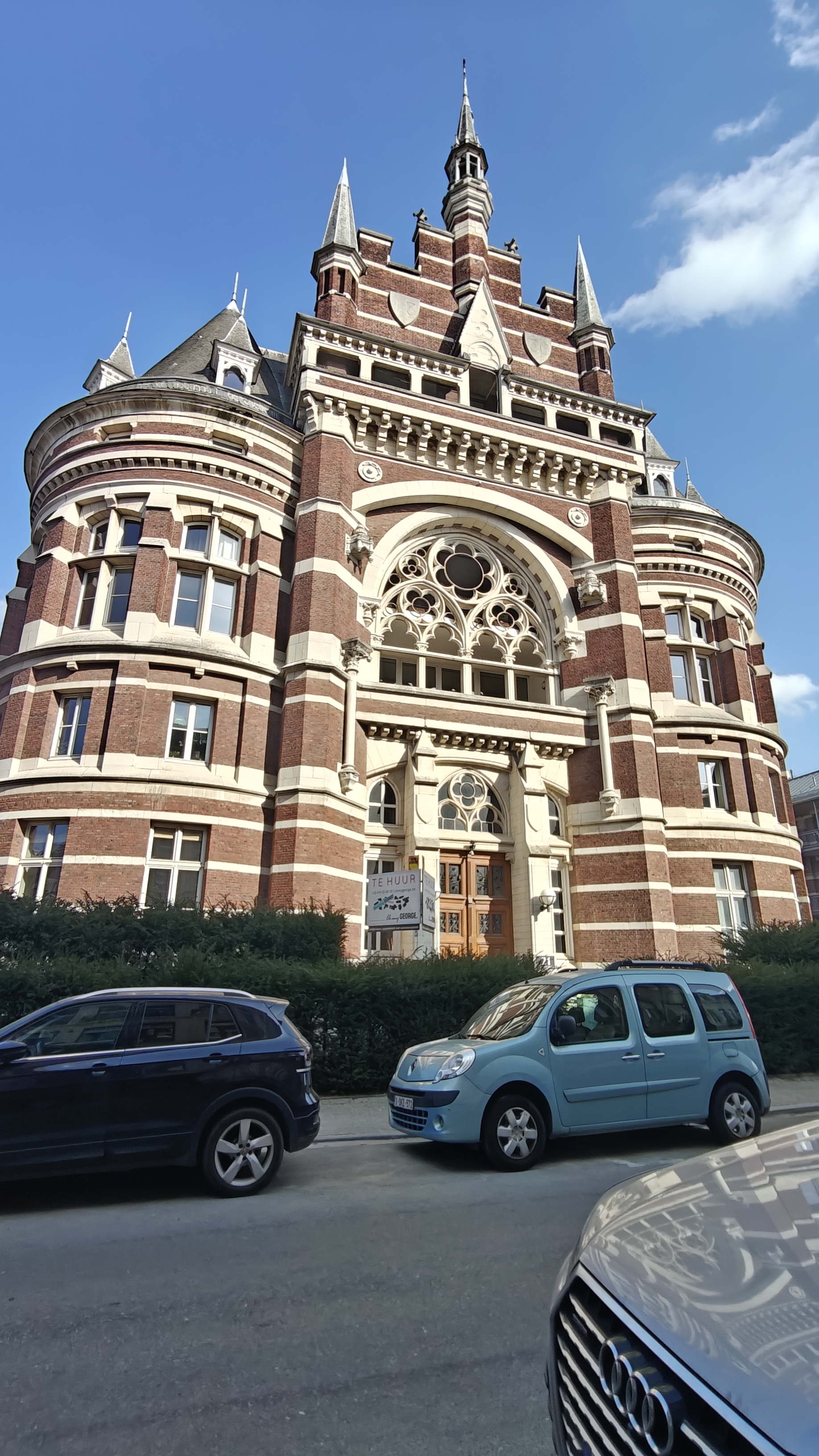
Former Meisjeshuis building, Antwerp.
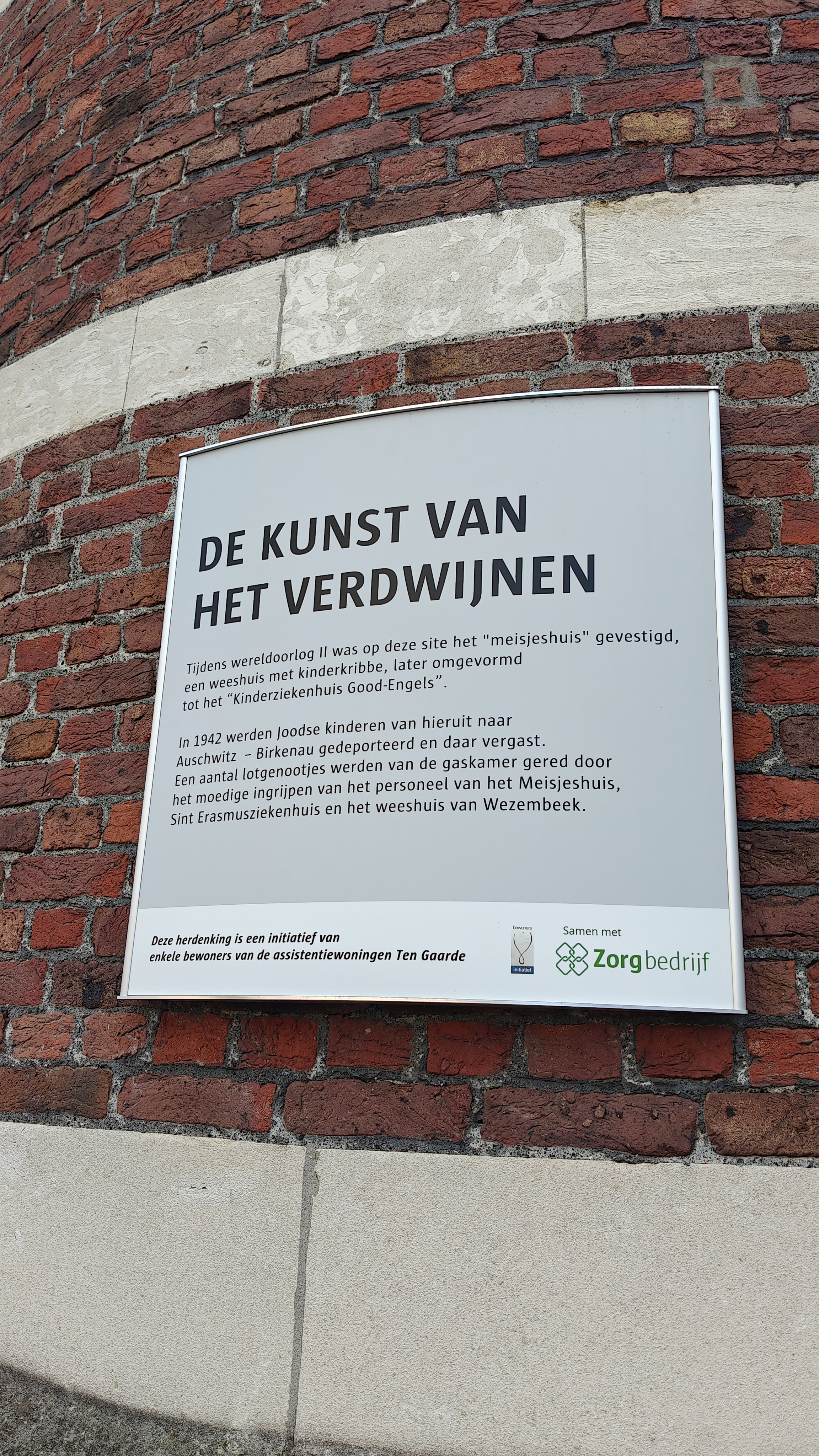
Commemorative plaque, Meisjeshuis.
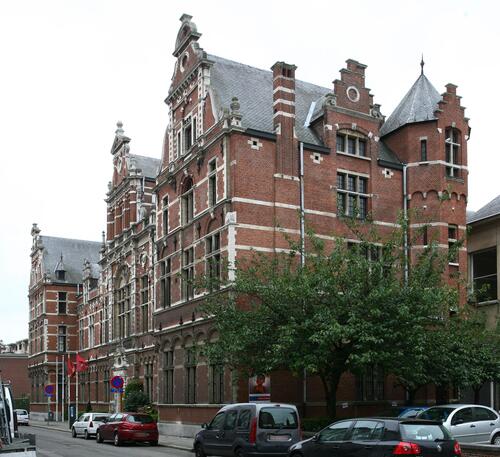
Jongenshuis (Boys' Home) building, Antwerp.
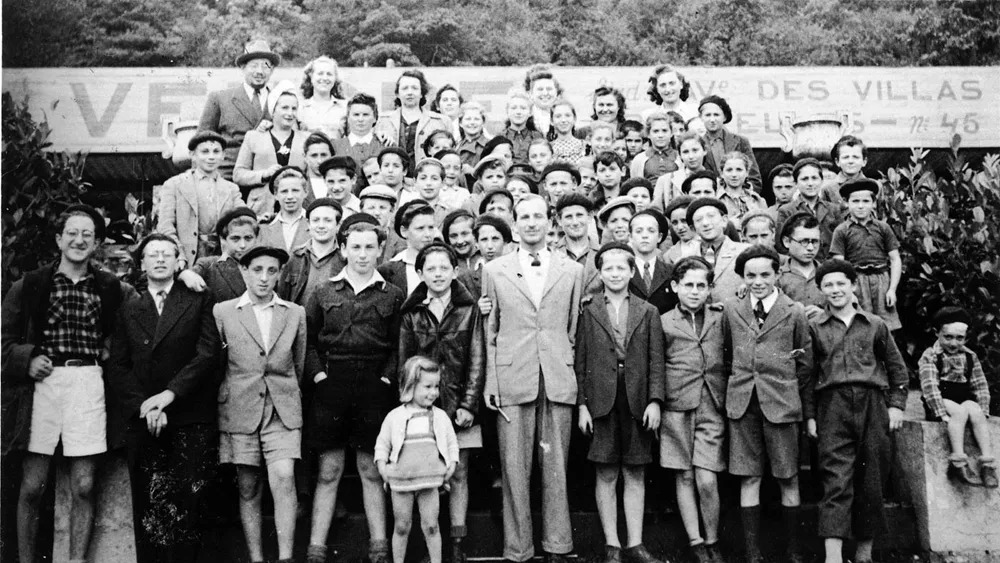
Antwerp Jewish Tiefenbrunner orphanage vacation in the Ardennes.
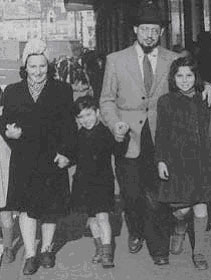
Rabbi Yona Tiefenbrunner and wife Ruth walking with orphans.
Primary Sources & Archives
- FelixArchief Antwerp (Municipal Orphanage registry files).
- Kazerne Dossin Archives, Mechelen (Transport Lists 1942).
- Archives of the *Comité de Défense des Juifs* (CDJ), Brussels.
Books & Oral Testimonies
- Malkie Weinstock, Angel of Orphans (biography of Rabbi Yona Tiefenbrunner).
- The Shoah in Belgium, historical survey of child rescue.
- Postwar testimonies of survivors from the Brussels Children's Home.