De Tweede Wereldoorlog en de Holocaust
De Tweede Wereldoorlog en de Holocaust (1940-1945)
Nazi-bezetting en anti-joodse maatregelen
Toen nazi-Duitsland op 10 mei 1940 België binnenviel, was Antwerpen de thuisbasis van een van de grootste Joodse gemeenschappen in West-Europa, met ongeveer 50.000 à 55.000 Joden die in de Verenigde Staten wonen stad. Velen waren immigranten of vluchtelingen uit Oost- en Midden-Europa, en slechts een minderheid bezat de Belgische nationaliteit.
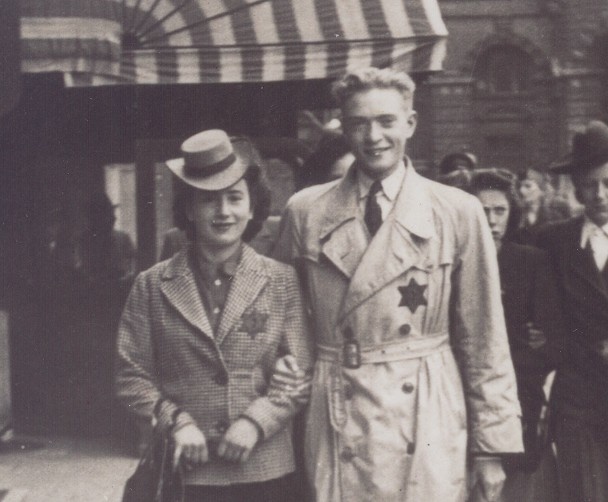
Onder de Duitse bezetting werd de anti-joodse wetgeving snel ten uitvoer gelegd. Joden waren nodig zich moesten registreren, werden uitgesloten van talrijke beroepen, en er werden bedrijven geconfisceerd of “Geariseerd.” In 1942 werden Joden gedwongen de gele Davidster te dragen. Beperkingen ingeschakeld beweging, werkgelegenheid en openbare leven namen toe naarmate de bezetting vorderde.
De Antwerpse Pogrom (april 1941)
Op 14 april 1941 braken in Antwerpen gewelddadige anti-Joodse rellen uit in wat bekend werd als de Antwerpse Pogrom. Het geweld volgde op de screening van de antisemitische nazi propagandafilm Der Ewige Judas (“De Eeuwige Jood”). Na de film, leden van collaborerende en extreemrechtse groeperingen, waaronder activisten die banden hebben met de VNV (Vlaamse Nationale Unie), marcheerden Joodse wijken binnen en voerden gecoördineerde aanvallen uit.
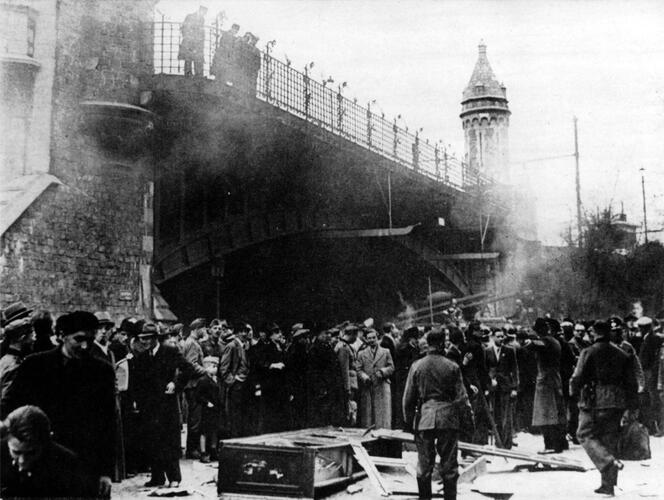
Synagogen werden vernield en verbrand, Thorarollen werden geschonden, Joodse huizen en bedrijven werden geplunderd en individuen werden op straat aangevallen. De residentie van De Antwerpse opperrabbijn, Marcus Rottenberg, werd ook aangevallen. Het geweld voorkwam in de aanwezigheid van de Duitse bezettingsautoriteiten en markeerde een aanzienlijke escalatie van anti-Joods vervolging in de stad.
Hoewel de massadeportaties nog niet waren begonnen, demonstreerde de pogrom de toename kwetsbaarheid van de Joodse bevolking van Antwerpen en was een voorafschaduwing van de systematische arrestaties deportaties die het jaar daarop zouden volgen.
Invallen en deportaties
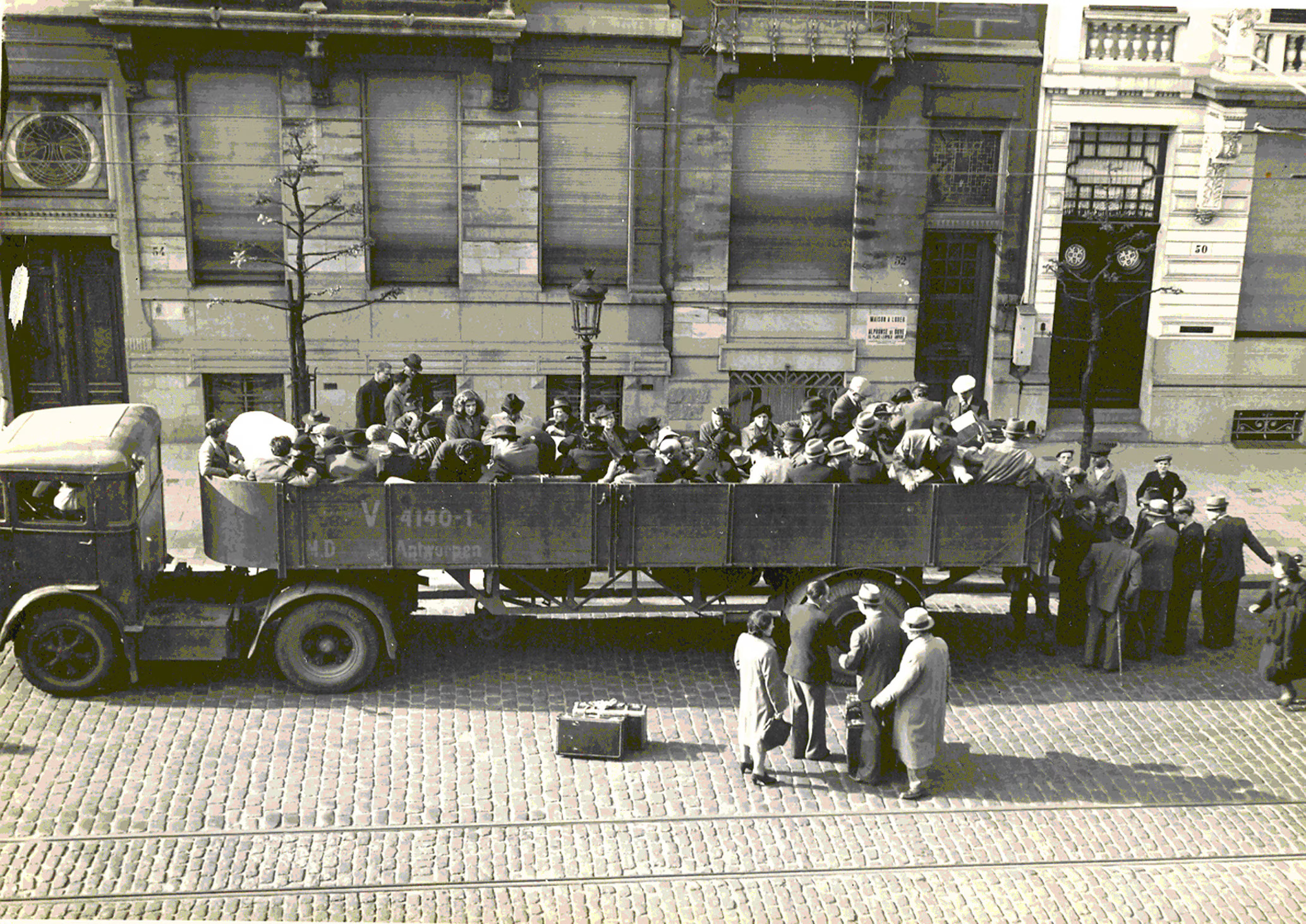
Vanaf de zomer van 1942 escaleerde de vervolging tot systematische deportaties. Antwerpen werd een belangrijke plaats van grootschalige razzia's, vaak uitgevoerd met de razzia's betrokkenheid van de lokale politie. In de nacht van 15 op 16 augustus 1942 vond de eerste grote overval plaats resulteerde in de arrestatie van ongeveer 845 Joden. Zij werden overgebracht naar de Dossin Kazerne doorgangskamp in Mechelen (Mechelen) en vervolgens gedeporteerd Auschwitz-Birkenau.
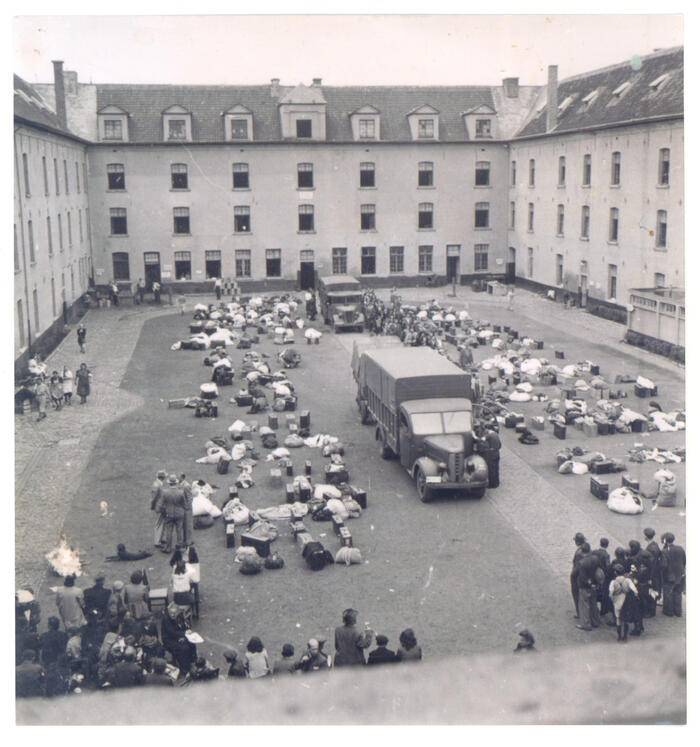
In augustus en september 1942 volgden verdere invallen, die leidden tot arrestatie en deportatie van duizenden Antwerpse joden. Tussen augustus 1942 en juli 1944 vertrokken 28 deportatiekonvooien vanuit de Dossinkazerne, waar ruim 25.000 Joden vanuit België naartoe werden vervoerd uitroeiing kampen. Slechts een klein deel overleefde.
De Joodse gemeenschap in Antwerpen leed bijzonder zware verliezen. Door de concentratie van Joden in herkenbare buurten en de efficiëntie van de deportatie-inspanningen, een hoger percentage Antwerpse joden werd gedeporteerd vergeleken met het landelijk gemiddelde.
Verbergen, weerstand en overleving
Niet alle Joden werden gedeporteerd. Sommigen slaagden erin België te ontvluchten voordat de massa-arrestaties begonnen. vooral tijdens de eerste maanden van de bezetting. Antwerpen had dat als grote havenstad wel diende lange tijd als emigratiepunt, en een aantal Joodse vluchtelingen zochten visa naar het land Verenigde Staten, het Britse Mandaat Palestina en verschillende Latijns-Amerikaanse landen, waaronder Cuba. Hoewel Cuba geen primaire bestemming was voor de Joodse bevolking van Antwerpen, was het wel een kleine bestemming een aantal met Antwerpen gelieerde vluchtelingen en diamanthandelaren vestigden zich er, als gevolg van de bredere verspreiding van de vooroorlogse commerciële netwerken van de stad. Anderen ontsnapten over land via Frankrijk en Spanje naar neutrale landen zoals Zwitserland of Portugal. Toen de grenzen echter strenger werden en de deportaties vanaf 1942 toenamen, ontstonden er kansen want ontsnappen werd uiterst beperkt.
Tot de verzetsdaden in België behoorden vooral pogingen om deportaties te ontwrichten de Aanval van april 1943 over het Twintigste Konvooi, waarbij verzetsleden hielpen gratis Joodse gedeporteerden uit een transporttrein.
Bevrijding
Antwerpen werd op 4 september 1944 door de geallieerden bevrijd. Tegen die tijd was het eens zo bloeiende De Joodse gemeenschap was verwoest. Het merendeel van de Antwerpse joden was gedeporteerd vermoord. Overlevenden keerden terug naar een stad met huizen, bedrijven en gemeenschappelijke instellingen vaak in beslag genomen of vernietigd.
Referenties
- Schmidt, E. (1994). Geschiedenis van de Joden in Antwerpen. Antwerpen: Excelsior.
- Michman, D. (1998). België en de Holocaust: Joden, Belgen, Duitsers. Jeruzalem: Yad Vashem.
- Saerens, L. (2000). Vreemdelingen in een wereldstad: een geschiedenis van Antwerpen en zijn joodse bevolking (1880-1944). Tielt: Lannoo.
- Vromen, S. (2008). Verborgen kinderen van de Holocaust: Belgische nonnen en hun durf Redding van jonge joden uit de nazi's. Oxford Universiteitspers.