History of Jewish Antwerp
A comprehensive timeline of the community's establishment, growth, challenges, and resilience through the centuries.
The Early Settlement
Jews may have followed the Roman legions to what is today Belgium around 53–57 CE, but no continuous Jewish presence from this period has been firmly established. The earliest documented organized Jewish settlement in the region dates to the early 11th century.
In 1022, Baldwin IV, Count of Flanders, invited Jacob bar Jequthiel and thirty other Jews from Rouen to settle in Arras. This invitation was motivated primarily by economic considerations, as Jewish merchants and financiers were seen as contributors to regional development. Although Arras is today located in northern France, it was at the time part of the County of Flanders, a territory historically linked to what is now Belgium.
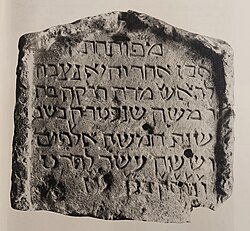
The first tangible archaeological proof of a Jewish presence in present-day Belgium dates to the 13th century. A tombstone from 1255–1256, discovered in Tienen (Tirlemont), bears the name Rebecca bat Moshe.
Jewish Immigration in the 12th–14th Centuries
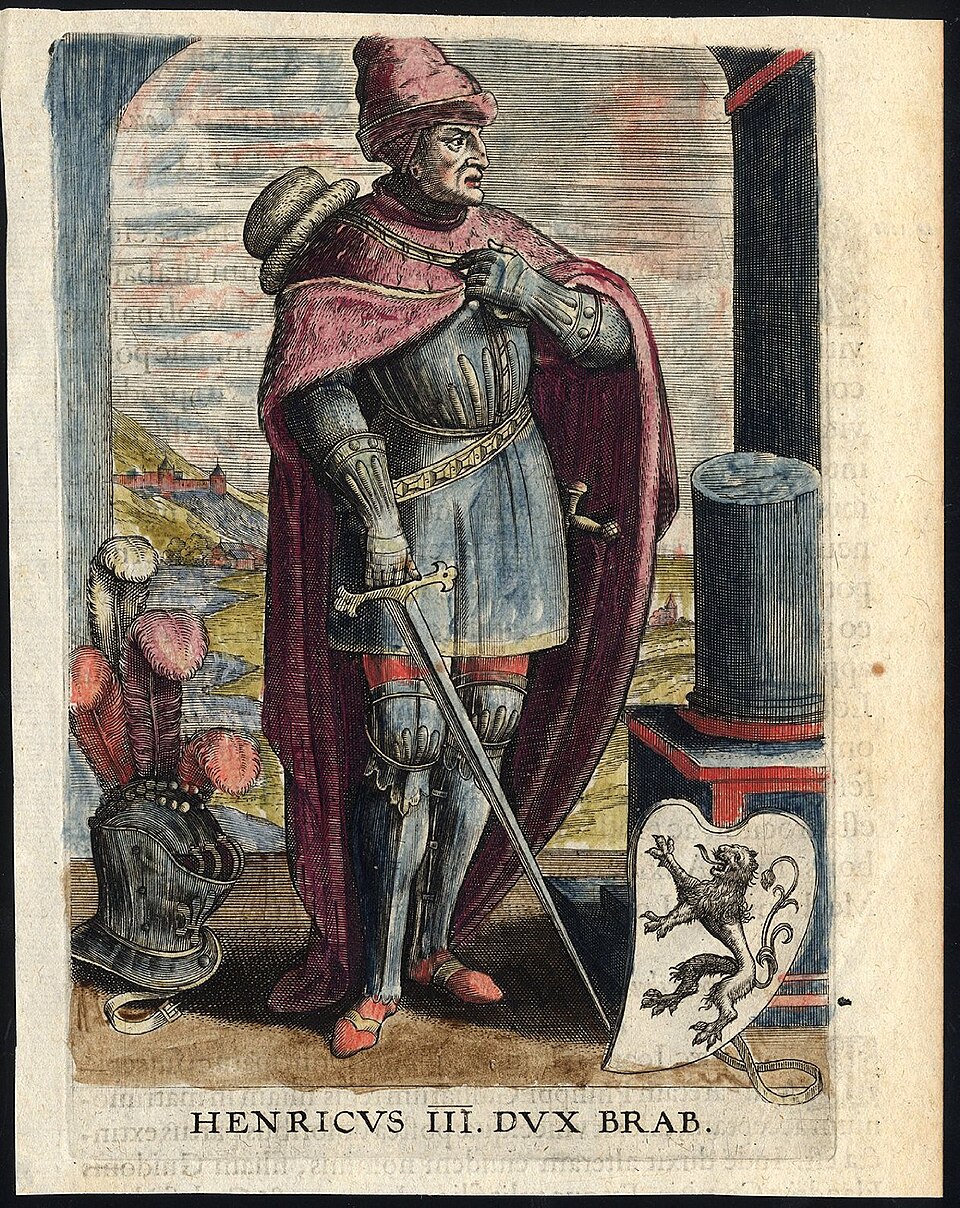
By the 13th century, Jewish communities were established in Brabant, including Antwerp and Brussels, as well as in other urban centers of the region. The first official document referring specifically to a Jewish community in Antwerp appears in the will of Henry III, Duke of Brabant. In 1261, he expressed his wish that the Jews of Brabant be expelled, citing their perceived role as usurers. Although this expulsion was never carried out, Jewish residents were subjected to increased taxation and legal restrictions.
Between the 12th and 14th centuries, Jews—mostly originating from German territories along the Rhine—settled in the Duchy of Brabant, particularly in Brussels, and in the County of Hainaut, especially in Mons. These communities were small and fragile.
During the mid-14th century, amid the outbreak of the Bubonic Plague (1348–1349), Jews in Antwerp and other major cities were accused of poisoning wells. These accusations led to severe persecution, with many Jews being hanged, burned at the stake, beaten to death, or drowned. Similar violence occurred across the region, contributing to the destruction of several Jewish communities.
In 1370, Jews in Brussels who had survived earlier persecutions were burned at the stake, leading to the near-total disappearance of the Jewish community in the city.
Additional evidence of Jewish life in medieval Belgium includes a Hebrew manuscript dated to 1310, preserved in the University of Hamburg library, which was written by a scribe from Brussels.
After the Expulsion of the Jews from Spain and Portugal (1492–18th Century)
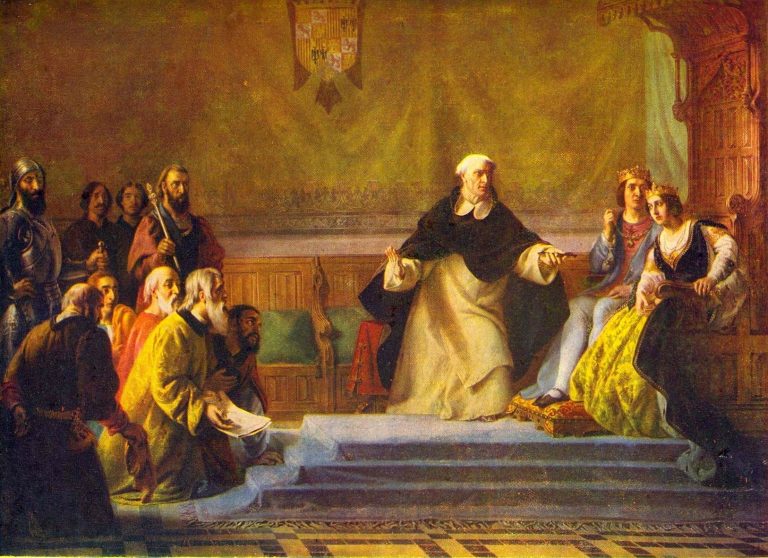
After the expulsion of the Jews from Spain in 1492 and from Portugal in 1497, converted wealthy Jewish traders, whom the Inquisition described as Crypto-Jews, dispersed all over Europe. Crypto-Jews were Jews who had been forced to convert to Christianity but continued to practice Judaism in secret. They also settled in the Seventeen Provinces of the Low Countries under Spanish rule. The old Southern provinces correspond roughly to present-day Belgium, and the Northern provinces to the present-day Netherlands. The Netherlands became an independent country after the Treaty of Münster in 1648 and was renamed the Republic of the Seven United Provinces.
While Spanish Jews settled in the Netherlands in the 16th century, they and others, most likely Crypto-Jews, also settled in Antwerp and Bruges. At the beginning of the 16th century, the Crypto-Jews living in Antwerp played an important role in the economic and financial affairs of the town. Because of Spanish pressure, most of them left Antwerp around 1540–1550, ending the second Jewish immigration in the region.
Although some Crypto-Jews returned to Antwerp during the 17th century, they could no longer enjoy the same economic and financial status they had a century earlier. A secret synagogue existed in Antwerp from 1650 to 1694, and some Crypto-Jewish poets also lived in Brussels during that time.
After Antwerp came under Austrian rule in 1713, Jews were able to practice their religion more openly. They gained even greater freedom following the promulgation of the “Edict of Tolerance” by Habsburg Emperor Joseph II in 1781.
During the 18th century, Jewish presence in the Southern provinces, under Austrian rule, remained low; about 100 Jews – householders – lived in Brussels in 1756.
French Rule and Belgian Independence (19th Century)
In 1808, under the rule of Napoleon Bonaparte, around 800 Jews were integrated into two Belgian consistories established as part of the Napoleonic system for organizing recognized religions.
In 1816, an official Jewish community of approximately 150 individuals was established in Antwerp, known as the Communauté Israélite. The first communal Jewish prayers were held in the home of Moise Kreyn, with the approval of the city authorities. In 1828, the Jewish community of Antwerp acquired its own cemetery. By 1829, the Jewish population of Antwerp numbered 151.
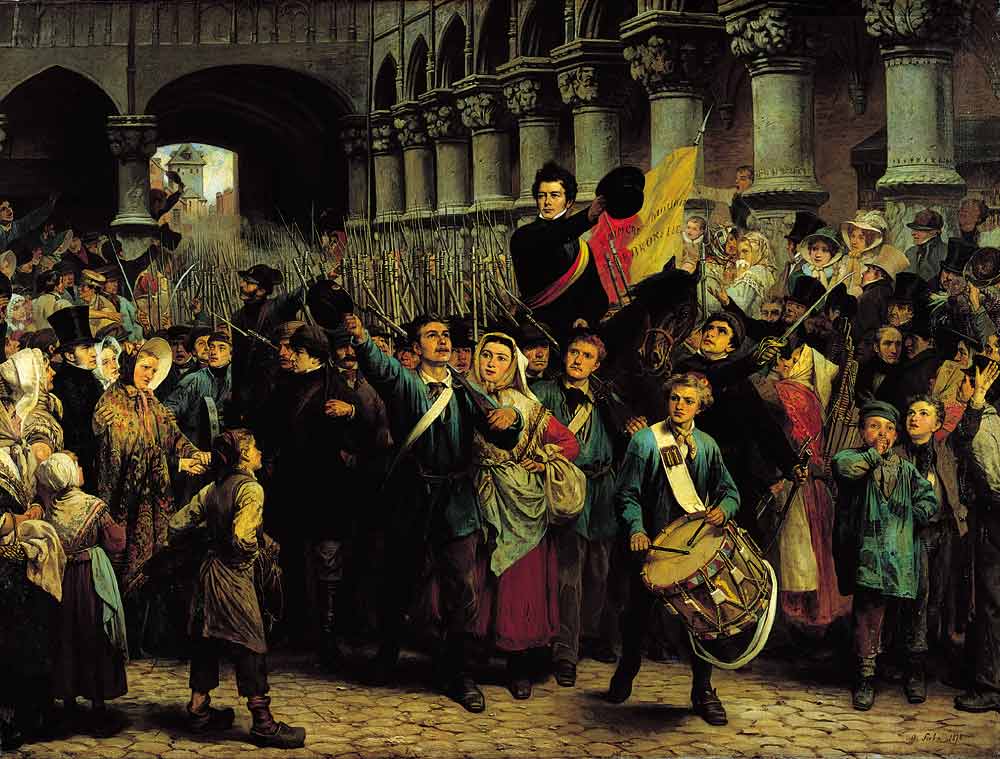
Following the Belgian Revolution of 1830, Belgium gained independence and became the Kingdom of Belgium. The Belgian Constitution proclaimed the separation of church and state and guaranteed freedom of religion.
In 1831, one year after independence, Judaism was officially recognized as a religion, with the Consistoire Central Israélite de Belgique designated as its official representative body. Jewish religious practice was guaranteed, and Jewish education was legally organized by national authorities, notably under the supervision of the Ministry of Justice.
Today, the Jewish Central Consistory of Belgium is responsible for managing practical aspects of Jewish religious life in the country, including the appointment of rabbis, cantors, beadles, ritual slaughterers, and religious teachers, as well as the official recognition of synagogues.
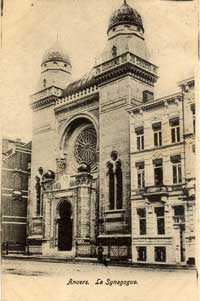
During the 19th century, the Jewish population of Belgium increased gradually through the arrival of Jews from Alsace and Lorraine in southern Belgium, German Jews in Brussels, and Dutch Jews in Antwerp, who later established the Hollandse Synagoge. The consistories instituted under Napoleon continued to serve as a model for the organization of Jewish religious life in Belgium.
By 1880, the Jewish population of Belgium was estimated at approximately 4,300 individuals. Following the assassination of the Russian Tsar in 1881, a new wave of mass emigration from Eastern Europe occurred as a result of pogroms. For many of these refugees, Belgium—particularly Antwerp—served as a transit point on the way to the United States.
In addition, Sephardic Jews migrated to Belgium from the Ottoman Empire during the Greco-Turkish War, shortly before the beginning of the 20th century.
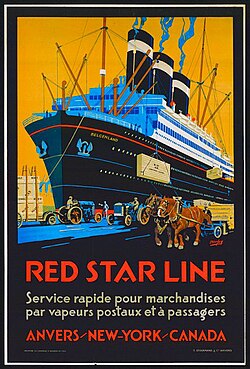
By the mid-19th century, the port of Antwerp had become one of the largest in Europe. Regular transatlantic sea connections were established, notably through the Red Star Line, which transported millions of emigrants to the United States. While many Jewish refugees initially intended to emigrate onward, some chose to settle permanently in Antwerp, Arlon, Brussels, Charleroi, Ghent, Liège, and Ostend. By 1914, the Jewish population of Belgium was estimated to have reached approximately 40,000 individuals.
Pre-War Period (1918–1939)
After the First World War, Antwerp emerged as the principal center of Jewish life in Belgium. Although the war caused disruption and displacement, the interwar years saw renewed growth of the Jewish population, particularly in Antwerp, which attracted Jews from Eastern Europe as well as refugees fleeing political instability, economic hardship, and rising antisemitism elsewhere in Europe.
During the 1920s and 1930s, Antwerp’s Jewish population grew rapidly and became one of the largest in Western Europe. By the late 1930s, estimates suggest that between 35,000 and 50,000 Jews were living in Antwerp alone, representing the majority of Belgium’s Jewish population. The community was highly diverse, consisting of Eastern European Ashkenazi Jews, long-established Dutch and German Jewish families, and smaller Sephardic groups.
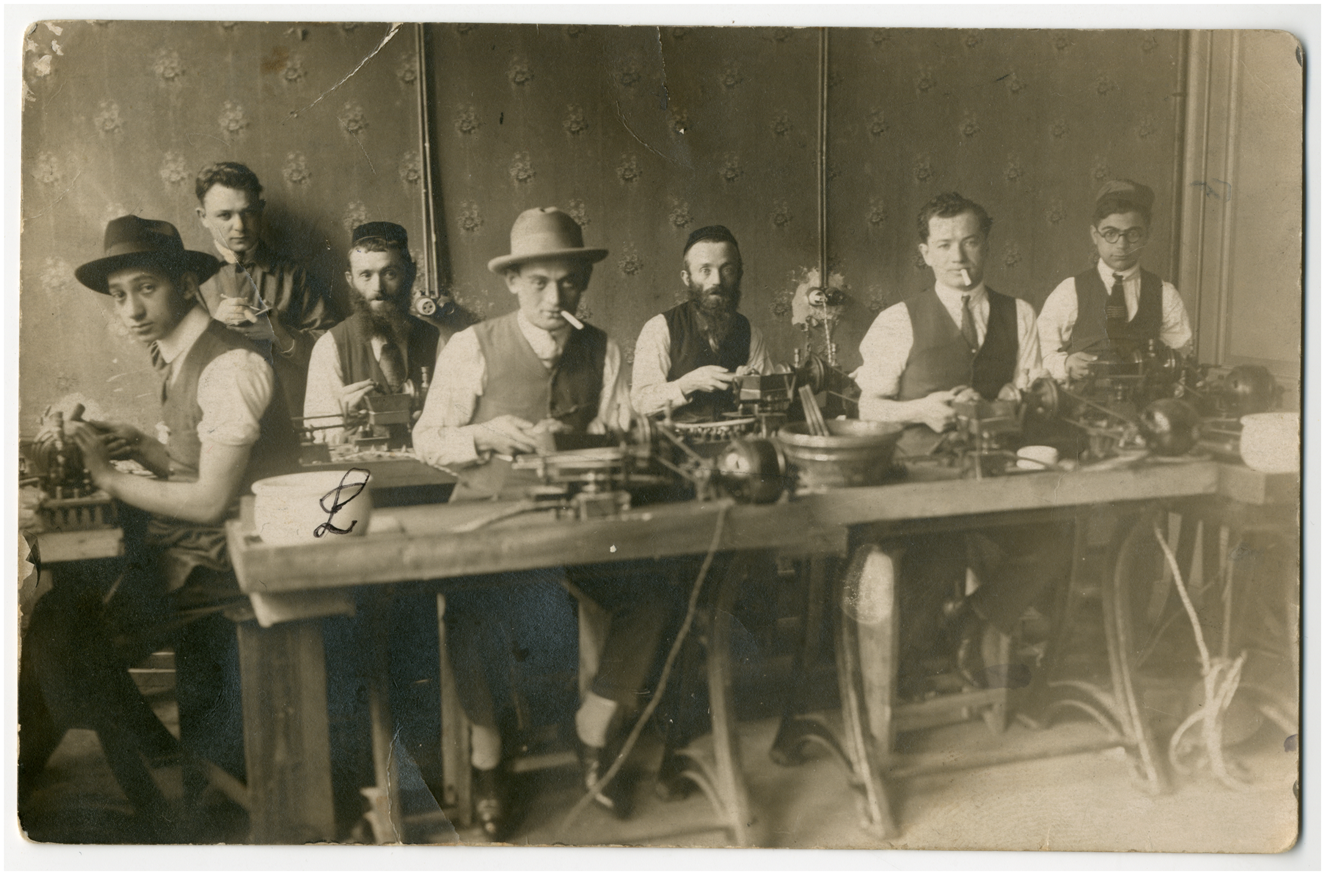
Economically, Jews played a central role in Antwerp’s diamond industry, which became one of the city’s defining economic sectors. Jewish diamantaires, traders, and workers were active at all levels of the trade, and the industry attracted additional Jewish migration. Beyond diamonds, Jews were also involved in commerce, small manufacturing, tailoring, and maritime-related professions.
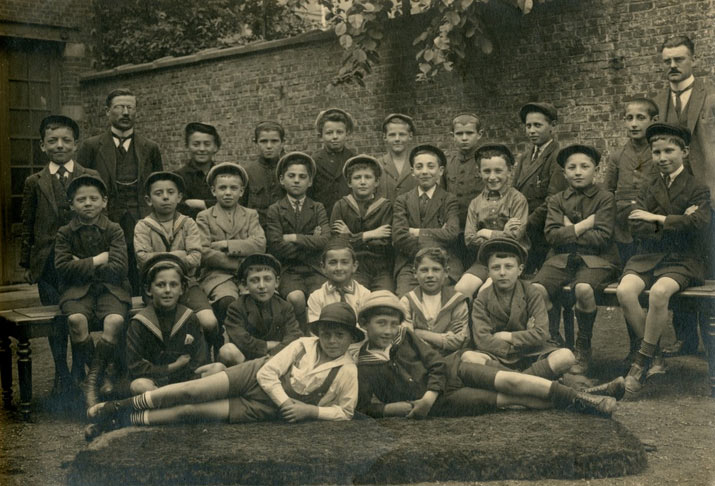
Religious and communal life flourished during the interwar period. Numerous synagogues, prayer houses, and study circles operated throughout the city, reflecting a wide range of religious observance from Orthodox to more liberal traditions. Major synagogues such as the Hollands Synagoge and the Romi Goldmuntz Synagogue became central institutions of Jewish life. Jewish schools provided both religious and general education, Jesode Hatorah (founded 1895), and Tachkemoni (founded 1920), and the yeshiva founded in Heide in 1929—the first Talmudic high school in Belgium. Charitable organizations, cultural associations, and political movements—including Zionist, socialist, and religious groups—were active and well organized.
During the same period, a significant Jewish community also developed in the nearby district of Heide (part of Kalmthout). Starting in the 1920s, Jews from Antwerp were drawn to Heide both as holiday visitors and as permanent residents, contributing to the rapid growth and prosperity of the area. Between 1930 and 1942, there were at least 700 registered Jewish residents in Heide, and many more visited during weekends and summer months. The community established the only synagogue in Belgium outside a major city, constructed in 1927–28, and in 1929 founded the yeshiva. Hotels and boarding houses in Heide catered specifically to Jewish tourists and residents. This vibrant Jewish presence reflected broader patterns of mobility within the Antwerp region during the interwar years.
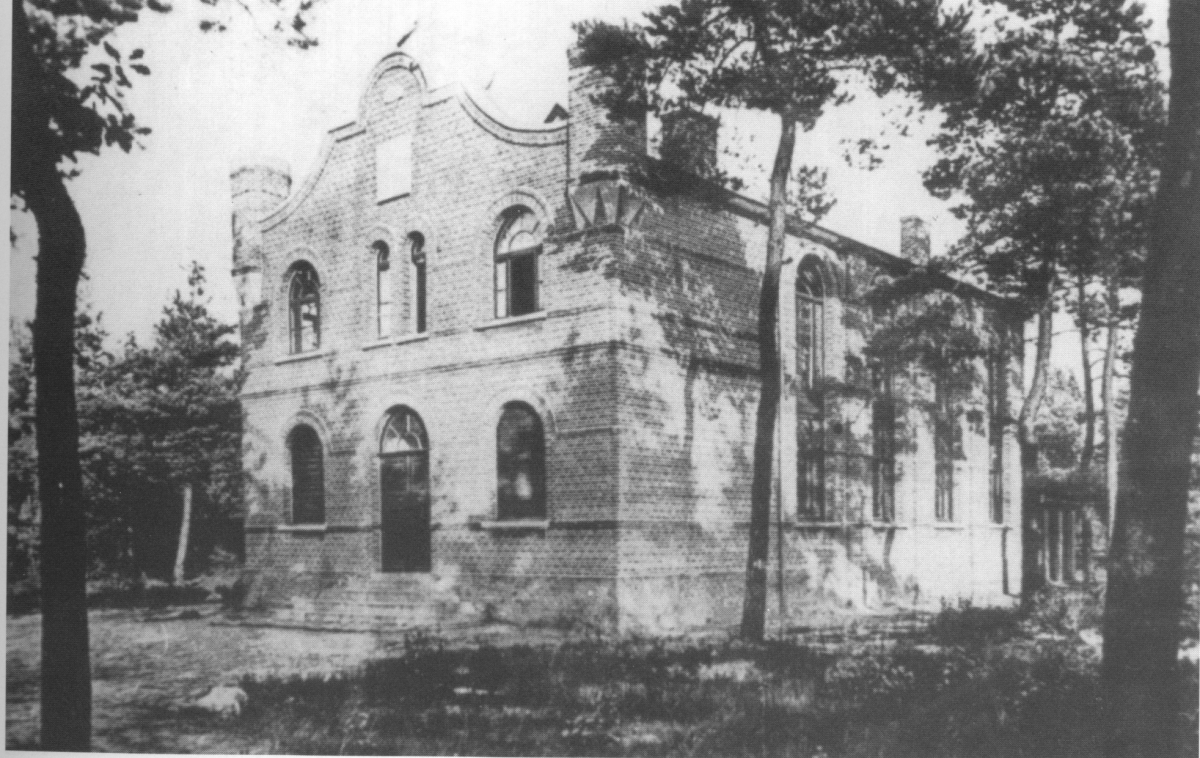
Despite this vibrant communal life, the 1930s also brought growing insecurity. The rise of fascism and Nazism in neighboring countries, combined with the arrival of Jewish refugees from Germany and Austria after 1933, increased tensions within Belgian society. Antisemitic movements and rhetoric became more visible in Antwerp, particularly in the late 1930s, foreshadowing the dangers that would soon confront the Jewish population with the outbreak of the Second World War.
World War II and the Holocaust (1940–1945)
Nazi Occupation and Anti-Jewish Measures
When Nazi Germany invaded Belgium on May 10, 1940, Antwerp was home to one of the largest Jewish communities in Western Europe, with approximately 50,000–55,000 Jews living in the city. Many were immigrants or refugees from Eastern and Central Europe, and only a minority held Belgian citizenship.
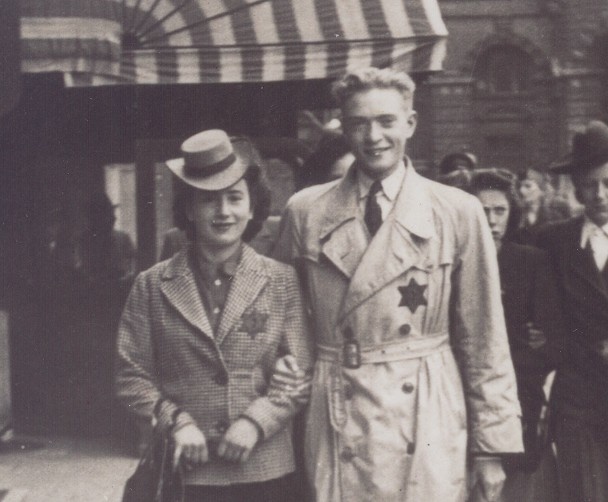
Under German occupation, anti-Jewish legislation was implemented rapidly. Jews were required to register, were excluded from numerous professions, and had businesses confiscated or “Aryanized.” In 1942, Jews were forced to wear the yellow Star of David. Restrictions on movement, employment, and public life intensified as the occupation progressed.
The Antwerp Pogrom (April 1941)
On 14 April 1941, violent anti-Jewish riots erupted in Antwerp in what became known as the Antwerp Pogrom. The violence followed the screening of the antisemitic Nazi propaganda film Der Ewige Jude (“The Eternal Jew”). After the film, members of collaborationist and far-right groups, including activists associated with the VNV (Flemish National Union), marched into Jewish neighborhoods and carried out coordinated attacks.
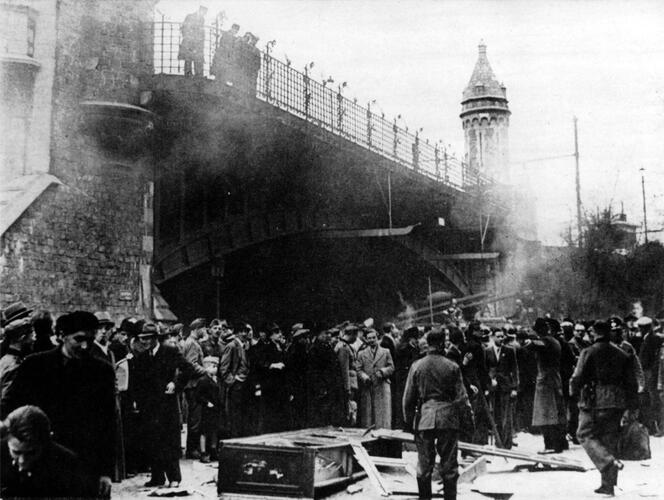
Synagogues were vandalized and burned, Torah scrolls were desecrated, Jewish homes and businesses were looted, and individuals were assaulted in the streets. The residence of Antwerp’s Chief Rabbi, Marcus Rottenberg, was also attacked. The violence occurred in the presence of German occupation authorities and marked a significant escalation in anti-Jewish persecution in the city.
Although mass deportations had not yet begun, the pogrom demonstrated the increasing vulnerability of Antwerp’s Jewish population and foreshadowed the systematic arrests and deportations that would follow the next year.
Raids and Deportations
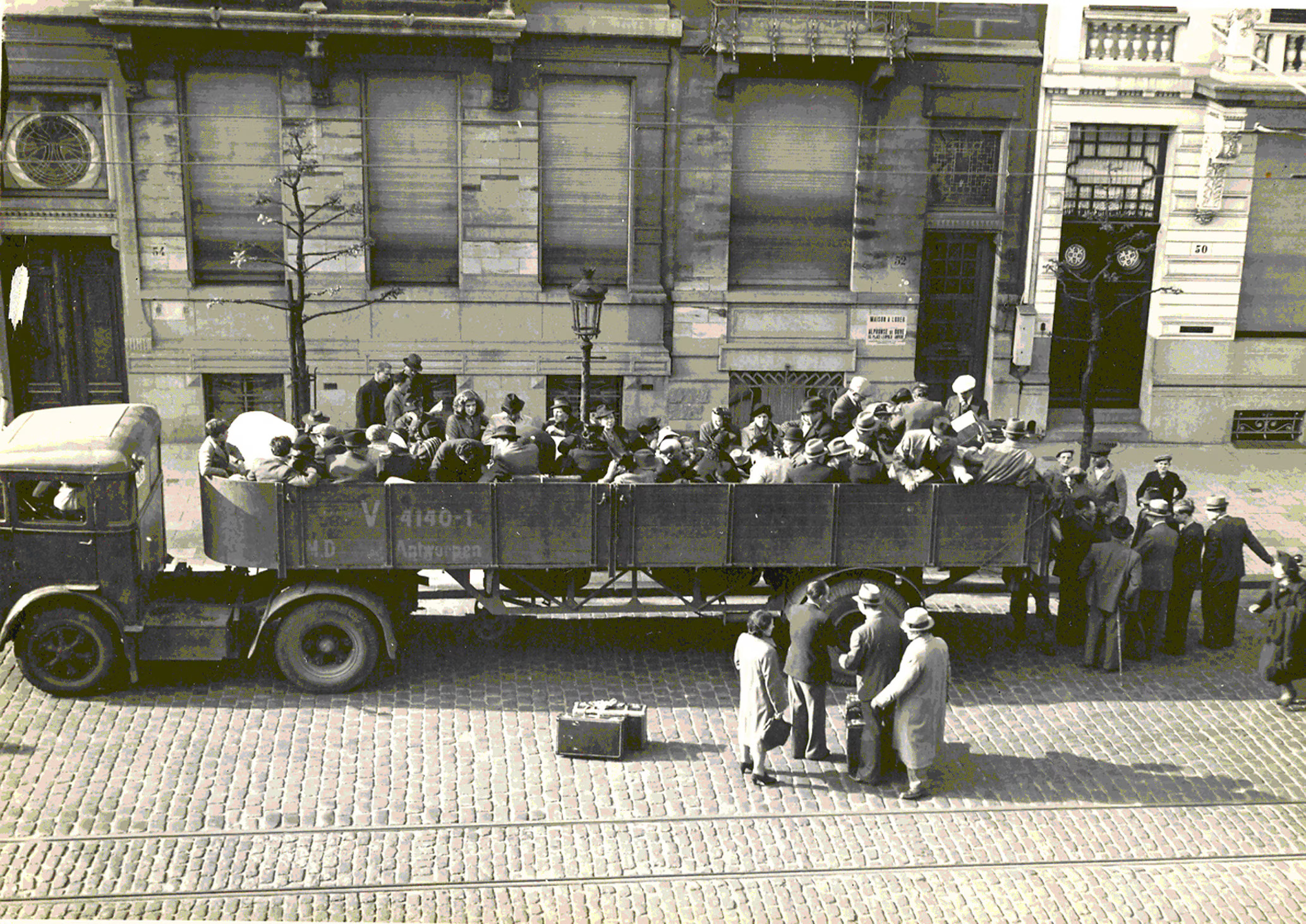
Beginning in the summer of 1942, the persecution escalated into systematic deportations. Antwerp became a major site of large-scale round-ups (razzias), often carried out with the involvement of local police. During the night of 15–16 August 1942, the first major raid resulted in the arrest of approximately 845 Jews. They were transferred to the Dossin Barracks transit camp in Mechelen (Malines) and subsequently deported to Auschwitz-Birkenau.
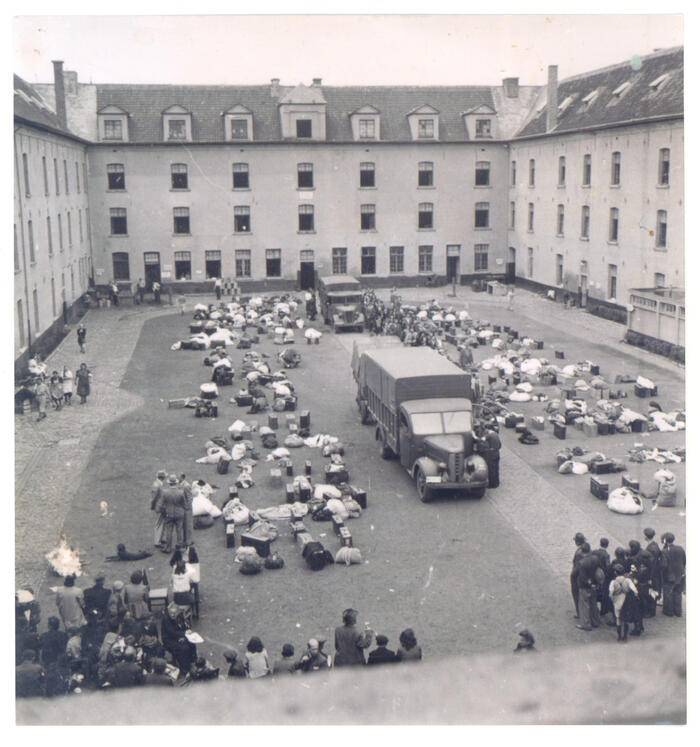
Further raids followed in August and September 1942, leading to the arrest and deportation of thousands of Antwerp Jews. Between August 1942 and July 1944, 28 deportation convoys left from the Dossin Barracks, transporting more than 25,000 Jews from Belgium to extermination camps. Only a small fraction survived.
Antwerp’s Jewish community suffered particularly heavy losses. Due to the concentration of Jews in identifiable neighborhoods and the efficiency of deportation efforts, a higher percentage of Antwerp Jews were deported compared to the national average.
Hiding, Resistance, and Survival
Not all Jews were deported. Some managed to flee Belgium before the mass arrests began, particularly during the early months of the occupation. Antwerp, as a major port city, had long served as a point of emigration, and a number of Jewish refugees sought visas to the United States, British Mandate Palestine, and several Latin American countries, including Cuba. While Cuba was not a primary destination for Antwerp’s Jewish population, a small number of Antwerp-linked refugees and diamond merchants established themselves there, reflecting the wider dispersion of the city’s prewar commercial networks. Others escaped over land through France and Spain to neutral countries such as Switzerland or Portugal. However, once borders tightened and deportations intensified from 1942 onward, opportunities for escape became extremely limited.
Acts of resistance in Belgium included efforts to disrupt deportations, most notably the April 1943 attack on the Twentieth Convoy, during which resistance members helped free Jewish deportees from a transport train.
Liberation
Antwerp was liberated by Allied forces on September 4, 1944. By that time, the once-thriving Jewish community had been devastated. The majority of Antwerp’s Jews had been deported and murdered. Survivors returned to a city where homes, businesses, and communal institutions had often been confiscated or destroyed.
Post-War Rebuilding (1945–1960s/1970s)
After the liberation of Antwerp in September 1944 and the end of World War II in 1945, the city’s Jewish community faced the immense task of rebuilding from the devastation of the Holocaust. Antwerp had been declared Judenrein (cleansed of Jews) by German occupiers, and the majority of the pre-war Jewish population had been deported and murdered. Those who had survived the war—either in hiding, in Allied zones, or in concentration camps—began to return to the city in the months after liberation.
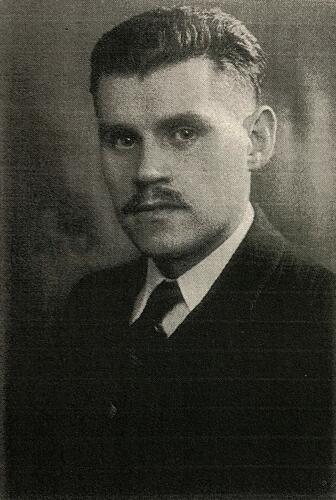
Many survivors encountered difficult conditions on their return. Homes and apartments that had belonged to Jewish families were often occupied by others—refugees, war victims, or Allied soldiers billeted by authorities—and personal belongings had frequently been looted or destroyed during the occupation. Jewish survivors struggled with housing, psychological trauma, uncertainty about the fate of family members, and the legal issues of reclaiming property. Prominent members of the wartime Jewish resistance, such as Jozef Sterngold, played important roles in organizing returning survivors and advocating for community needs.
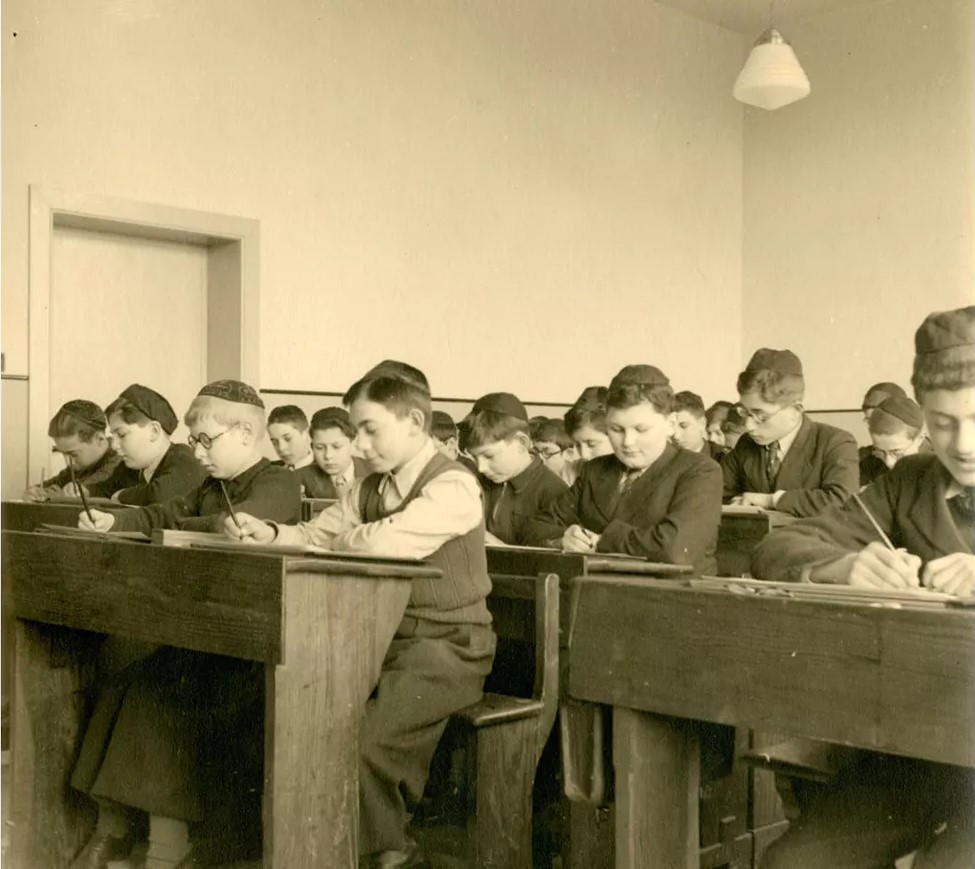
Reconstruction of communal and religious life began quickly. Synagogues and Jewish institutions that survived or could be restored were reopened, and Jewish education resumed. Key schools such as Jesode Hatora‑Beth Jacob (reopened May 1945) and Tachkemoni (reopened May 1945) formally resumed classes, serving returning families and educating the next generation of Jewish students.
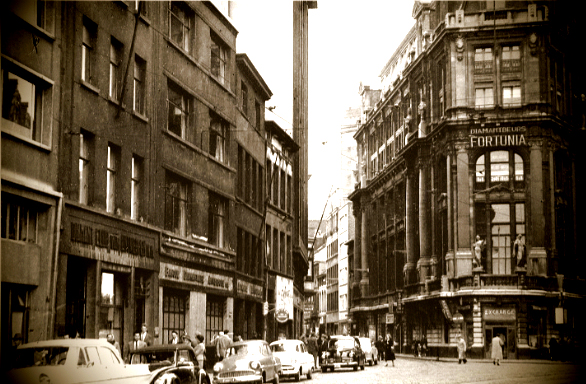
Economic life, particularly the diamond trade, was central to the revival of Antwerp’s Jewish community. Although the industry had been disrupted during the war, it regained momentum in the post-war years, drawing back many Jewish diamond merchants and workers who had been displaced. The diamond sector remained a significant economic engine for the community, helping to support families and rebuild livelihoods.
Throughout the 1950s and into the 1960s, Antwerp’s Jewish population slowly grew again. Newcomers included not only returning survivors but also Jewish migrants from other regions of Europe and North Africa. The focus on Jewish education continued, with schools enrolling the next generation in both religious and secular subjects, reinforcing community identity and continuity after the rupture of the Holocaust.
By the late 1960s and early 1970s, Jewish community life in Antwerp was once more visibly established. Jewish neighborhoods near the city center and around the diamond district retained their cultural vibrancy, with synagogues, schools, charities, and social organizations forming the backbone of daily life.
Modern-Day Antwerp Jewish Community
Demographics
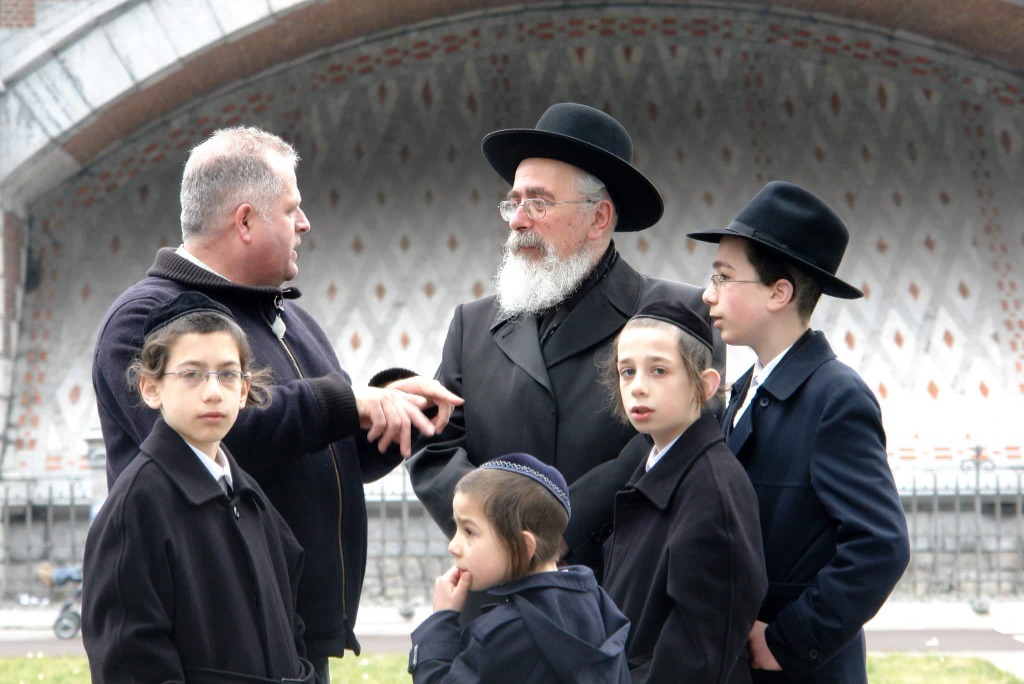
Today, Antwerp remains one of the largest and most vibrant Jewish communities in Europe. The city is home to the majority of Belgium’s Jewish population, with estimates generally placing the Jewish population of Antwerp between 20,000 and 30,000 individuals. A significant proportion of the community identifies with Orthodox and Haredi (ultra-Orthodox) Judaism, making Antwerp one of the most religiously observant Jewish centers in Europe.
Yiddish is widely spoken within the Haredi community, alongside Dutch, French, Hebrew, and English. Jewish families are concentrated primarily in neighborhoods near the Central Station and the historic diamond district.
Religious and Communal Life
Jewish life in Antwerp is centered around a dense network of synagogues, yeshivot, community organizations, and charitable institutions. The city is home to approximately thirty Orthodox synagogues and prayer houses, reflecting the diversity within the Orthodox and Hasidic communities.
Major communal bodies include Machsike Hadass, which represents several Hasidic groups such as Belz, Satmar, Vizhnitz, and Ger, as well as Shomre Hadas, which serves segments of the Modern Orthodox community. A Sephardic (Portuguese Rite) community also maintains its own synagogue and institutions.
Education
Jewish education remains one of the strongest pillars of Antwerp’s Jewish life. A large majority of Jewish children attend Jewish day schools, one of the highest enrollment rates in the Diaspora.
Key educational institutions include Jesode Hatorah–Beth Jacob, serving the Orthodox community; Tachkemoni, founded in 1920 and affiliated with Religious Zionist traditions; and Yavne, among others. Numerous yeshivot and girls’ seminaries provide advanced religious study within the Haredi sector.
Economic Life and the Diamond Industry
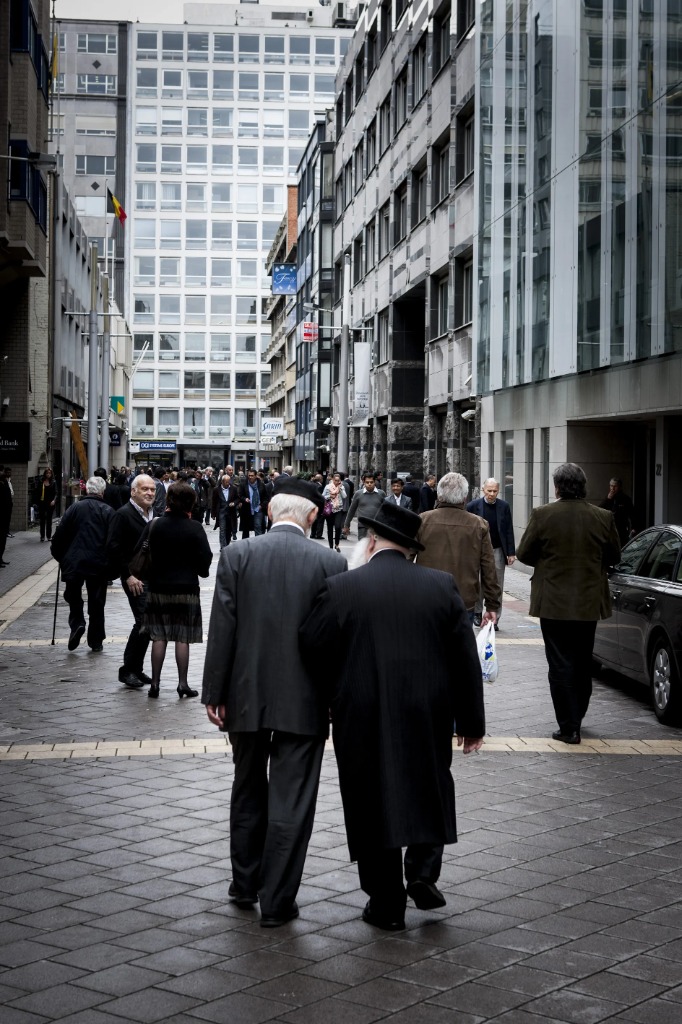
Antwerp has long been a global center of the diamond trade, and the Jewish community historically played a central role in its development. Although the diamond industry has become increasingly international and diversified, Jewish diamantaires continue to be active within the sector. The proximity of Jewish neighborhoods to the diamond district reflects this historic economic connection.
Cultural Life and Identity
The Jewish quarter near Antwerp Central Station remains culturally distinctive, with kosher bakeries, restaurants, bookstores, ritual baths, and community centers forming part of everyday life. Jewish holidays, public menorah lightings, and communal events contribute to the visible presence of Jewish life in the city.
Holocaust remembrance remains central to communal identity. Memorial ceremonies, educational initiatives, and cooperation with national remembrance institutions ensure that the memory of the Holocaust and the deportations from Belgium remain part of public consciousness.
Contemporary Challenges
In recent decades, the Jewish community of Antwerp has faced challenges including concerns about antisemitism and security. Protective measures around schools and synagogues have become a regular feature of communal life. At the same time, Jewish organizations remain active in civic engagement, interfaith dialogue, and maintaining strong ties with Israel and Jewish communities worldwide.
References
- Schmidt, E. (1994). Geschiedenis van de Joden in Antwerpen. Antwerpen: Excelsior.
- Michman, D. (1998). Belgium and the Holocaust: Jews, Belgians, Germans. Jerusalem: Yad Vashem.
- Saerens, L. (2000). Vreemdelingen in een wereldstad: een geschiedenis van Antwerpen en zijn joodse bevolking (1880-1944). Tielt: Lannoo.
- Vromen, S. (2008). Hidden Children of the Holocaust: Belgian Nuns and their Daring Rescue of Young Jews from the Nazis. Oxford University Press.