French Rule and Belgian Independence
French Rule and Belgian Independence (19th Century)
In 1808, under the rule of Napoleon Bonaparte, around 800 Jews were integrated into two Belgian consistories established as part of the Napoleonic system for organizing recognized religions.
In 1816, an official Jewish community of approximately 150 individuals was established in Antwerp, known as the Communauté Israélite. The first communal Jewish prayers were held in the home of Moise Kreyn, with the approval of the city authorities. In 1828, the Jewish community of Antwerp acquired its own cemetery. By 1829, the Jewish population of Antwerp numbered 151.
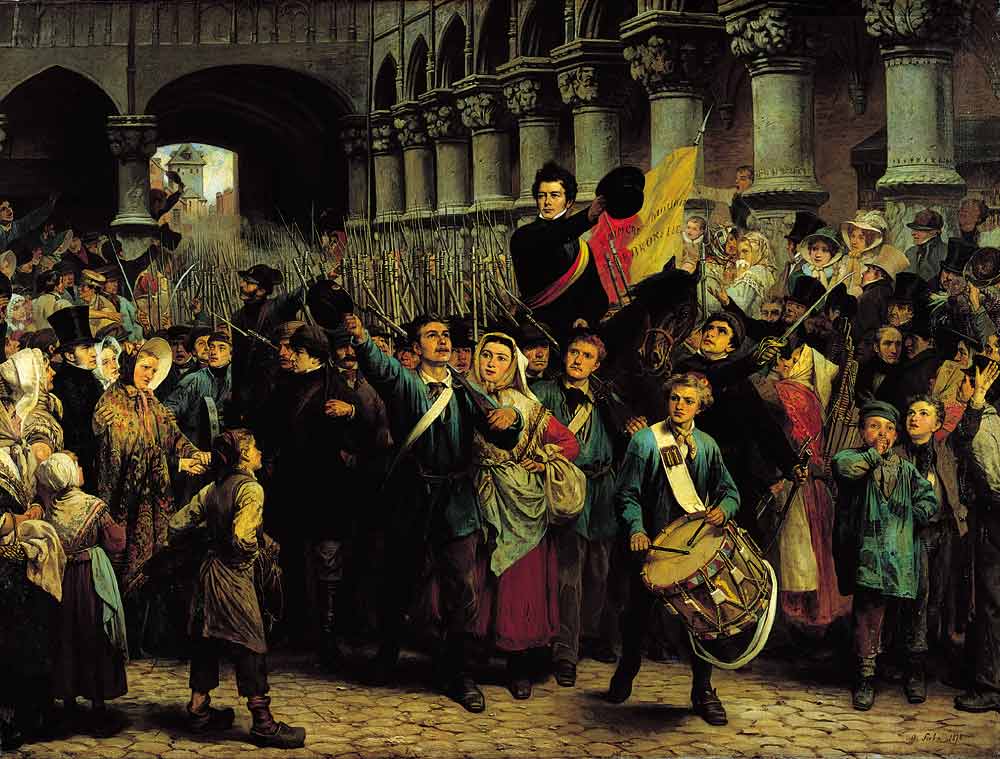
Following the Belgian Revolution of 1830, Belgium gained independence and became the Kingdom of Belgium. The Belgian Constitution proclaimed the separation of church and state and guaranteed freedom of religion.
In 1831, one year after independence, Judaism was officially recognized as a religion, with the Consistoire Central Israélite de Belgique designated as its official representative body. Jewish religious practice was guaranteed, and Jewish education was legally organized by national authorities, notably under the supervision of the Ministry of Justice.
Today, the Jewish Central Consistory of Belgium is responsible for managing practical aspects of Jewish religious life in the country, including the appointment of rabbis, cantors, beadles, ritual slaughterers, and religious teachers, as well as the official recognition of synagogues.
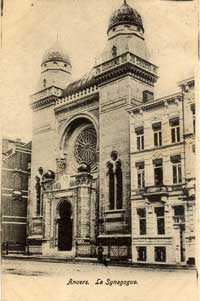
During the 19th century, the Jewish population of Belgium increased gradually through the arrival of Jews from Alsace and Lorraine in southern Belgium, German Jews in Brussels, and Dutch Jews in Antwerp, who later established the Hollandse Synagoge. The consistories instituted under Napoleon continued to serve as a model for the organization of Jewish religious life in Belgium.
By 1880, the Jewish population of Belgium was estimated at approximately 4,300 individuals. Following the assassination of the Russian Tsar in 1881, a new wave of mass emigration from Eastern Europe occurred as a result of pogroms. For many of these refugees, Belgium—particularly Antwerp—served as a transit point on the way to the United States.
In addition, Sephardic Jews migrated to Belgium from the Ottoman Empire during the Greco-Turkish War, shortly before the beginning of the 20th century.
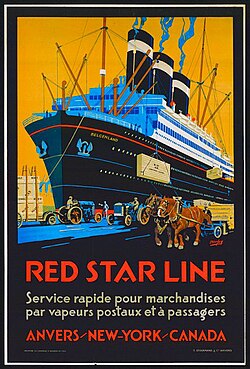
By the mid-19th century, the port of Antwerp had become one of the largest in Europe. Regular transatlantic sea connections were established, notably through the Red Star Line, which transported millions of emigrants to the United States. While many Jewish refugees initially intended to emigrate onward, some chose to settle permanently in Antwerp, Arlon, Brussels, Charleroi, Ghent, Liège, and Ostend. By 1914, the Jewish population of Belgium was estimated to have reached approximately 40,000 individuals.
References
- Schmidt, E. (1994). Geschiedenis van de Joden in Antwerpen. Antwerpen: Excelsior.
- Michman, D. (1998). Belgium and the Holocaust: Jews, Belgians, Germans. Jerusalem: Yad Vashem.
- Saerens, L. (2000). Vreemdelingen in een wereldstad: een geschiedenis van Antwerpen en zijn joodse bevolking (1880-1944). Tielt: Lannoo.
- Vromen, S. (2008). Hidden Children of the Holocaust: Belgian Nuns and their Daring Rescue of Young Jews from the Nazis. Oxford University Press.