Communauté juive d'Anvers d'aujourd'hui
Communauté juive d'Anvers d'aujourd'hui
Données démographiques
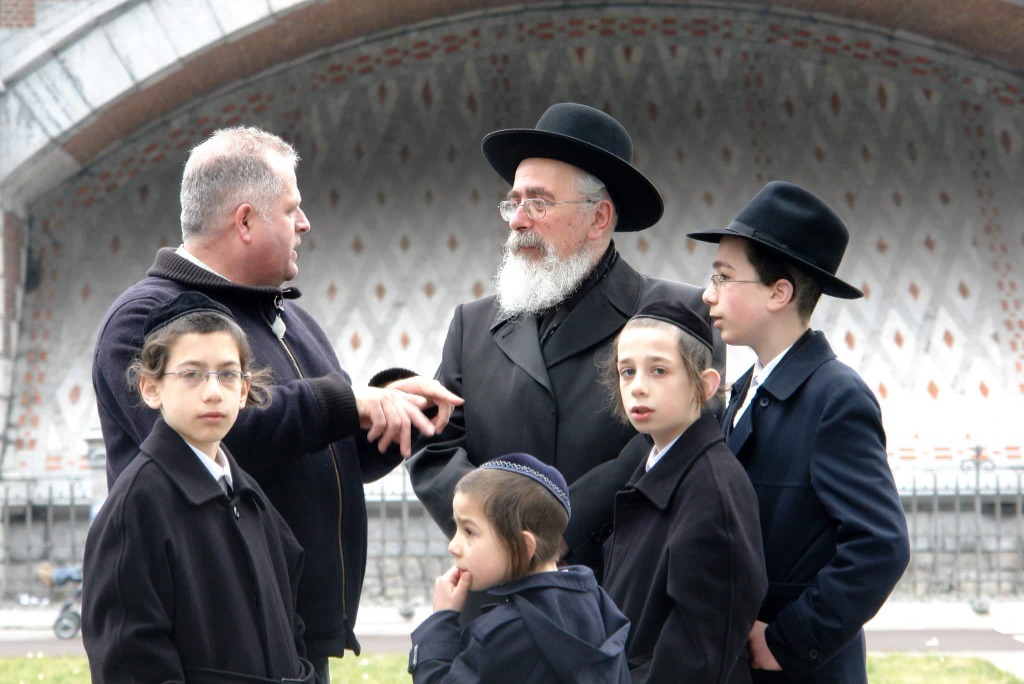
Aujourd'hui, Anvers reste l'une des communautés juives les plus grandes et les plus dynamiques d'Europe. Le La ville abrite la majorité de la population juive de Belgique, avec des estimations généralement plaçant la population juive d'Anvers entre 20 000 et 30 000 individus. Un une proportion importante de la communauté s'identifie aux orthodoxes et aux haredi (ultra-orthodoxes) Judaïsme, faisant d'Anvers l'un des centres juifs les plus pratiquants d'Europe.
Le yiddish est largement parlé au sein de la communauté Haredi, aux côtés du néerlandais, du français, de l'hébreu et du Anglais. Les familles juives sont concentrées principalement dans les quartiers proches du Centre Gare et quartier historique des diamantaires.
Vie religieuse et communautaire
La vie juive à Anvers est centrée autour d'un réseau dense de synagogues, de yeshivot et de communautés organisations et institutions caritatives. La ville abrite une trentaine Synagogues et maisons de prière orthodoxes, reflétant la diversité au sein des communautés orthodoxes et Communautés hassidiques.
Les principaux organismes communaux comprennent Machsike Hadass, ce qui représente plusieurs Des groupes hassidiques tels comme Belz, Satmar, Vizhnitz et Ger, ainsi que Shomre Hadas, qui sert segments de la Communauté orthodoxe moderne. UN Communauté sépharade (rite portugais) aussi maintient son propre synagogue et institutions.
Éducation
L’éducation juive reste l’un des piliers les plus solides de la vie juive anversoise. Un grand la majorité des enfants juifs fréquentent des externats juifs, l'un des taux de scolarisation les plus élevés dans la diaspora.
Les principaux établissements d'enseignement comprennent Jesode Hatorah-Beth Jacob, au service de la Communauté orthodoxe ; Tachkémoni, fondée en 1920 et affiliée à Traditions religieuses sionistes ; et Yavné, entre autres. De nombreuses yeshivot et les séminaires pour filles proposent des études religieuses avancées dans le secteur Haredi.
Vie économique et industrie du diamant
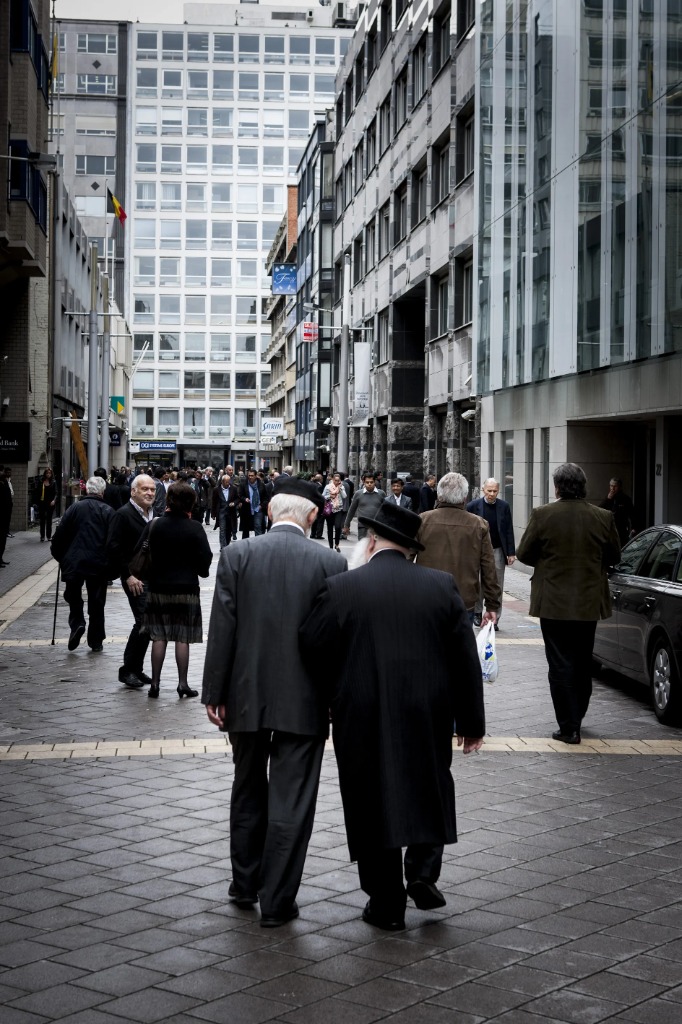
Anvers est depuis longtemps un centre mondial du commerce du diamant et la communauté juive a joué historiquement un rôle central dans son développement. Bien que l'industrie du diamant ait deviennent de plus en plus internationaux et diversifiés, les diamantaires juifs continuent d'être actifs au sein du secteur. La proximité des quartiers juifs avec le quartier des diamantaires reflète ce lien économique historique.
Vie culturelle et identité
Le quartier juif près de la gare centrale d'Anvers reste culturellement distinctif, avec des produits casher boulangeries, restaurants, librairies, bains rituels et centres communautaires faisant partie de la vie quotidienne. Les fêtes juives, les éclairages publics de la menorah et les événements communautaires contribuent à la présence visible de la vie juive dans la ville.
La mémoire de l’Holocauste reste au cœur de l’identité communautaire. Cérémonies commémoratives, éducatives les initiatives et la coopération avec les institutions nationales de mémoire garantissent que la mémoire L’Holocauste et les déportations depuis la Belgique restent dans la conscience publique.
Défis contemporains
Au cours des dernières décennies, la communauté juive d'Anvers a été confrontée à des défis, notamment des inquiétudes sur l'antisémitisme et la sécurité. Des mesures de protection autour des écoles et des synagogues ont été devenir un élément régulier de la vie communautaire. Dans le même temps, les organisations juives restent actif dans l’engagement civique, le dialogue interreligieux et le maintien de liens solides avec Israël et Communautés juives du monde entier.
Références
- En ligneSchmidt, E. (1994). Geschiedenis van de Joden à Anvers. Anvers : Excelsior.
- Michman, D. (1998). La Belgique et l'Holocauste : Juifs, Belges, Allemands. Jérusalem : Yad Vashem.
- Saerens, L. (2000). Vreemdelingen in een warldstad: een geschiedenis van Anvers en zijn joose bevolking (1880-1944). Tielt : Lannoo.
- Vromen, S. (2008). Enfants cachés de l'Holocauste : les religieuses belges et leur audace Sauvetage de jeunes juifs des nazis. Presse de l'Université d'Oxford.