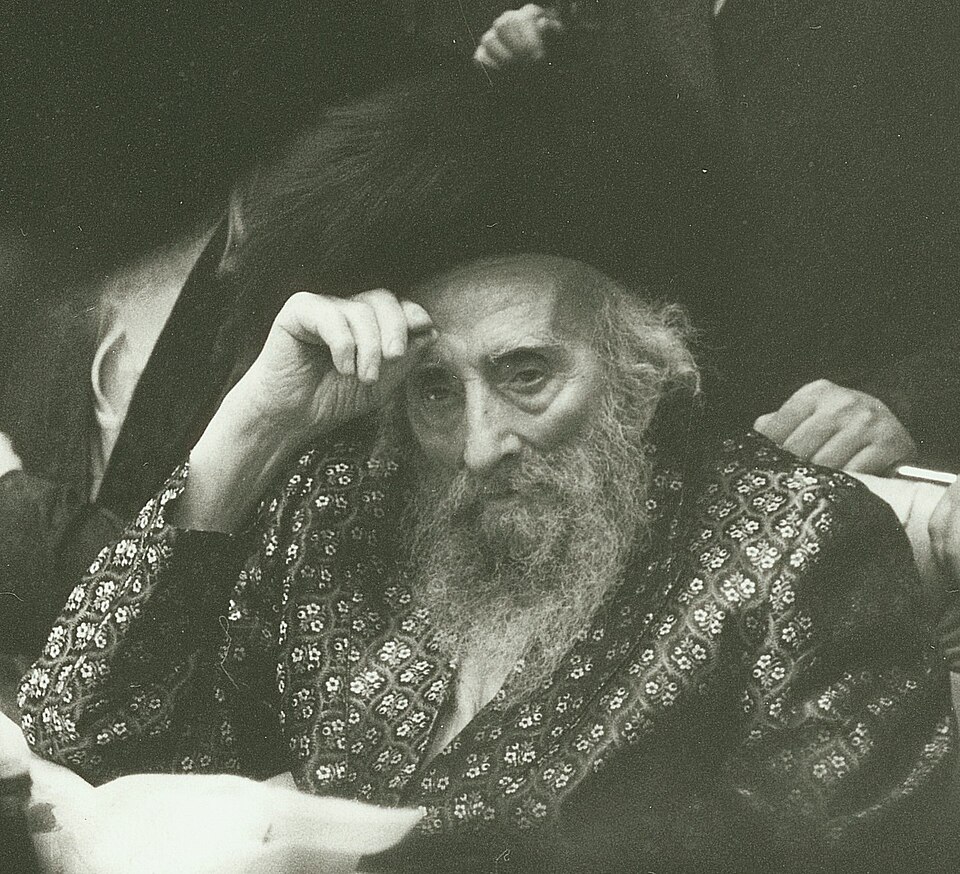
Overview: Rabbi Moshe Yitzchak Gewirtzman (1882–1977), also known as the Pshevorsker Rebbe, was a Hasidic rabbi and the second leader of the Pshevorsk Hasidic dynasty. After the destruction of European Jewish communities during the Holocaust, he rebuilt the Pshevorsk court in Antwerp, Belgium, where it became one of the established Hasidic communities in Western Europe.
Early Life
Moshe Yitzchak Gewirtzman was born in 1882 in Przeworsk (Yiddish: Pshevorsk), a town in Galicia, then part of the Austro-Hungarian Empire. The town had a significant Jewish population and was known as a center of Hasidic activity.
He was born into a family connected to the Hasidic traditions of Galicia. From a young age, he studied Torah and became associated with the Hasidic circles that were active in the region.
During his youth, he was influenced by the teachings and customs of leading Hasidic figures of Galicia and Poland. He followed the traditions of Polish Hasidism, which emphasized prayer, spiritual discipline, and attachment to Hasidic leadership.
Life before World War II
Before the Holocaust, Rabbi Gewirtzman lived in Przeworsk, where he became recognized within the local Jewish community. The town was home to a Hasidic community that followed the traditions of the Pshevorsk dynasty.
He later became associated with the leadership of the Pshevorsk Hasidic movement. The dynasty had developed around the teachings of earlier Pshevorsk leaders and was part of the broader network of Polish Hasidic groups.
World War II
The outbreak of World War II in 1939 brought the destruction of Jewish communities throughout Poland. Following the German invasion of Poland, many Jews from Galicia were displaced.
Rabbi Gewirtzman fled eastward and eventually came under Soviet control. During the war, he was deported to Siberia by the Soviet authorities, where he spent several years in exile.
The conditions of exile were difficult, and many Jewish refugees and deportees suffered from hunger, forced labor, and harsh living conditions. Rabbi Gewirtzman survived the war and returned to Europe after its conclusion.
The Holocaust destroyed the Jewish communities of Galicia, including the Jewish community of Przeworsk. Most of the followers and institutions associated with the prewar Pshevorsk community were lost during the war.
Postwar Years
After World War II, Rabbi Gewirtzman initially settled in Paris, France, where many Jewish refugees and Holocaust survivors gathered.
In the postwar period, many Hasidic groups attempted to rebuild their communities outside Eastern Europe. Rabbi Gewirtzman became the leader of the surviving members of the Pshevorsk Hasidic tradition.
As Jewish communities were being reorganized in Western Europe, he later moved to Antwerp, Belgium, where he established the new center of the Pshevorsk dynasty.
Establishment of the Pshevorsk Court in Antwerp
Rabbi Gewirtzman settled in Antwerp, which had become one of Europe's major centers of Orthodox Jewish life after World War II.
In Antwerp, he founded the Pshevorsk Hasidic court and established a synagogue and community that continued the traditions of the prewar dynasty.
The Antwerp Pshevorsk community attracted followers from Belgium and other countries, including France, the United Kingdom, Israel, and the United States.
Under his leadership, the court maintained the customs and practices of Polish Hasidism while functioning within the postwar Jewish community of Antwerp.
Leadership as Pshevorsker Rebbe
Rabbi Moshe Yitzchak Gewirtzman served as the Rebbe of Pshevorsk for several decades. His court became known as one of the smaller but historically significant Hasidic groups in Europe.
His leadership focused on maintaining the religious traditions of the Pshevorsk dynasty, including its customs of prayer, Torah study, and Hasidic gatherings.
The Rebbe received visitors seeking religious guidance and personal advice. His followers regarded him as the continuation of the Pshevorsk Hasidic tradition that had existed in Poland before the Holocaust.
Teachings
Rabbi Gewirtzman's teachings were preserved mainly through recorded conversations and collections published by his followers. His teachings belong to the tradition of Polish Hasidic thought, emphasizing spiritual devotion and the individual's relationship with God.
Family
Rabbi Moshe Yitzchak Gewirtzman was part of a Hasidic family connected to the rabbinic and Hasidic communities of Galicia.
His descendants continued his legacy within the Pshevorsk community. After his death, leadership of the dynasty passed to his successor, who continued leading the Antwerp-based Hasidic court.
Death and Succession
Rabbi Moshe Yitzchak Gewirtzman died in 1977 in Antwerp, Belgium.
Following his death, the leadership of the Pshevorsk Hasidic dynasty continued under his successor, Rabbi Yaakov Leiser, who became the next Pshevorsker Rebbe. The Pshevorsk court remained based in Antwerp and continued to operate as a Hasidic community.
Profile Archive