De hedendaagse Antwerpse Joodse Gemeenschap
De hedendaagse Antwerpse Joodse Gemeenschap
Demografie
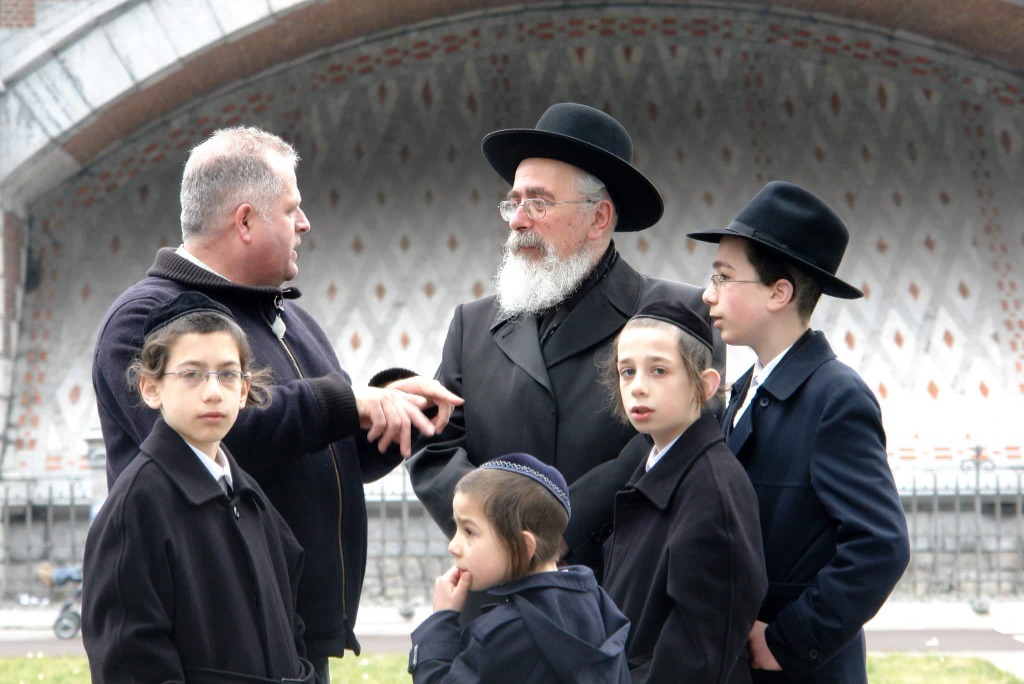
Vandaag de dag is Antwerpen nog steeds een van de grootste en meest levendige Joodse gemeenschappen in Europa. De De stad is de thuisbasis van de meerderheid van de Belgische Joodse bevolking, volgens schattingen in het algemeen waardoor de Joodse bevolking van Antwerpen tussen de 20.000 en 30.000 personen bedraagt. EEN Een aanzienlijk deel van de gemeenschap identificeert zich met orthodox en charedi (ultraorthodox) Jodendom, waardoor Antwerpen een van de meest religieus observerende Joodse centra in Europa is.
Binnen de Haredi-gemeenschap wordt Jiddisch veel gesproken, naast Nederlands, Frans, Hebreeuws en Arabisch Engels. Joodse gezinnen zijn voornamelijk geconcentreerd in wijken nabij de Centrale Station en de historische diamantwijk.
Religieus en gemeenschapsleven
Het joodse leven in Antwerpen concentreert zich rond een dicht netwerk van synagogen, jesjivot, gemeenschap organisaties en liefdadigheidsinstellingen. De stad telt ongeveer dertig inwoners Orthodoxe synagogen en gebedshuizen, die de diversiteit binnen de orthodoxen weerspiegelen Chassidische gemeenschappen.
Grote gemeentelijke organen omvatten Machsike Hadass, wat meerdere vertegenwoordigt Chassidische groepen zoals zoals Belz, Satmar, Vizhnitz en Ger, evenals Shomre Hadas, die dient segmenten van de Moderne orthodoxe gemeenschap. A Sefardische (Portugese ritus) gemeenschap ook handhaaft zijn eigen synagoge en instellingen.
Onderwijs
Joods onderwijs blijft een van de sterkste pijlers van het Joodse leven in Antwerpen. Een grote De meerderheid van de Joodse kinderen gaat naar Joodse dagscholen, een van de hoogste inschrijvingspercentages in de diaspora.
Belangrijke onderwijsinstellingen zijn onder meer Jesode Hatorah-Beth Jacob, ten dienste van de Orthodoxe gemeenschap; Tachkemoni, opgericht in 1920 en aangesloten bij Religieuze zionistische tradities; En Yavne, onder andere. Talrijke jesjivot en meisjesseminaries bieden geavanceerde religieuze studie binnen de charedi-sector.
Het economische leven en de diamantindustrie
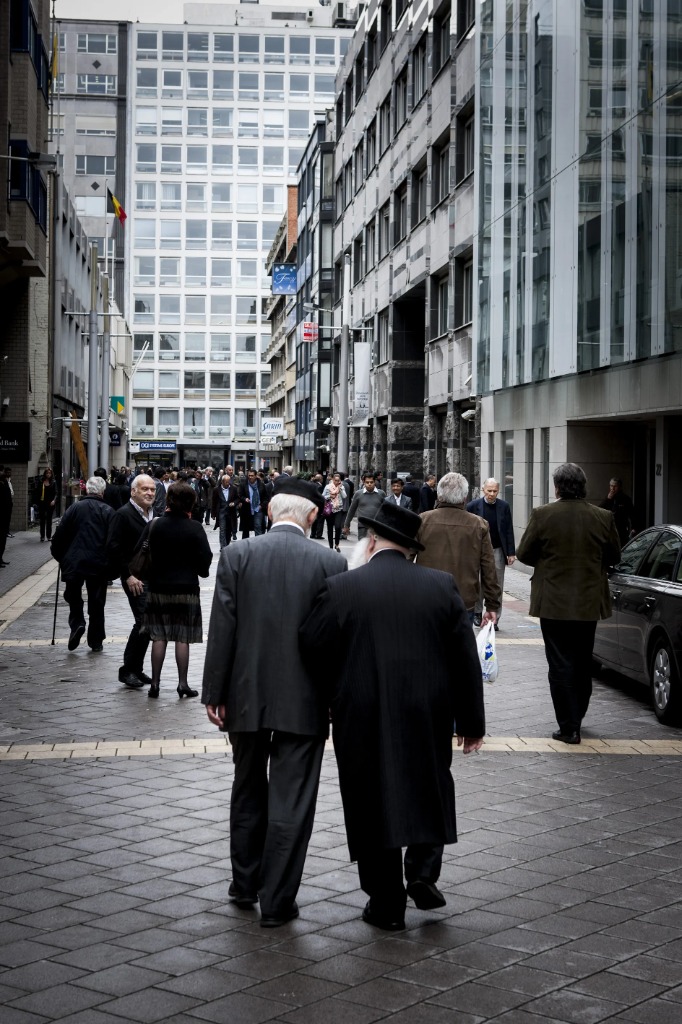
Antwerpen is lange tijd een mondiaal centrum van de diamanthandel en de Joodse gemeenschap geweest speelde historisch gezien een centrale rol in de ontwikkeling ervan. Hoewel de diamantindustrie dat wel heeft gedaan steeds internationaler en gediversifieerder worden, blijven Joodse diamantairs actief binnen de sector. De nabijheid van Joodse wijken tot de diamantwijk weerspiegelt dit deze historische economische verbinding.
Cultureel leven en identiteit
De Joodse wijk nabij het Centraal Station van Antwerpen blijft cultureel onderscheidend, met koosjer bakkerijen, restaurants, boekhandels, rituele baden en gemeenschapscentra die er deel van uitmaken het dagelijkse leven. Joodse feestdagen, openbare menoraverlichting en gemeenschappelijke evenementen dragen hieraan bij de zichtbare aanwezigheid van Joods leven in de stad.
De herdenking van de Holocaust blijft centraal staan in de gemeenschappelijke identiteit. Herdenkingsceremonies, educatief initiatieven en samenwerking met nationale herinneringsinstellingen zorgen ervoor dat de herinnering behouden blijft van de Holocaust en de deportaties uit België blijven deel uitmaken van het publieke bewustzijn.
Hedendaagse uitdagingen
De afgelopen decennia heeft de joodse gemeenschap van Antwerpen met uitdagingen en zorgen te maken gehad over antisemitisme en veiligheid. Er zijn beschermende maatregelen genomen rond scholen en synagogen een vast onderdeel van het gemeenschapsleven worden. Tegelijkertijd blijven Joodse organisaties bestaan actief in maatschappelijke betrokkenheid, interreligieuze dialoog en het onderhouden van sterke banden met Israël en Joodse gemeenschappen wereldwijd.
Referenties
- Schmidt, E. (1994). Geschiedenis van de Joden in Antwerpen. Antwerpen: Excelsior.
- Michman, D. (1998). België en de Holocaust: Joden, Belgen, Duitsers. Jeruzalem: Yad Vashem.
- Saerens, L. (2000). Vreemdelingen in een wereldstad: een geschiedenis van Antwerpen en zijn joodse bevolking (1880-1944). Tielt: Lannoo.
- Vromen, S. (2008). Verborgen kinderen van de Holocaust: Belgische nonnen en hun durf Redding van jonge joden uit de nazi's. Oxford Universiteitspers.