Pre-War Period
Pre-War Period (1918–1939)
After the First World War, Antwerp emerged as the principal center of Jewish life in Belgium. Although the war caused disruption and displacement, the interwar years saw renewed growth of the Jewish population, particularly in Antwerp, which attracted Jews from Eastern Europe as well as refugees fleeing political instability, economic hardship, and rising antisemitism elsewhere in Europe.
During the 1920s and 1930s, Antwerp’s Jewish population grew rapidly and became one of the largest in Western Europe. By the late 1930s, estimates suggest that between 35,000 and 50,000 Jews were living in Antwerp alone, representing the majority of Belgium’s Jewish population. The community was highly diverse, consisting of Eastern European Ashkenazi Jews, long-established Dutch and German Jewish families, and smaller Sephardic groups.
Economically, Jews played a central role in Antwerp’s diamond industry, which became one of the city’s defining economic sectors. Jewish diamantaires, traders, and workers were active at all levels of the trade, and the industry attracted additional Jewish migration. Beyond diamonds, Jews were also involved in commerce, small manufacturing, tailoring, and maritime-related professions.
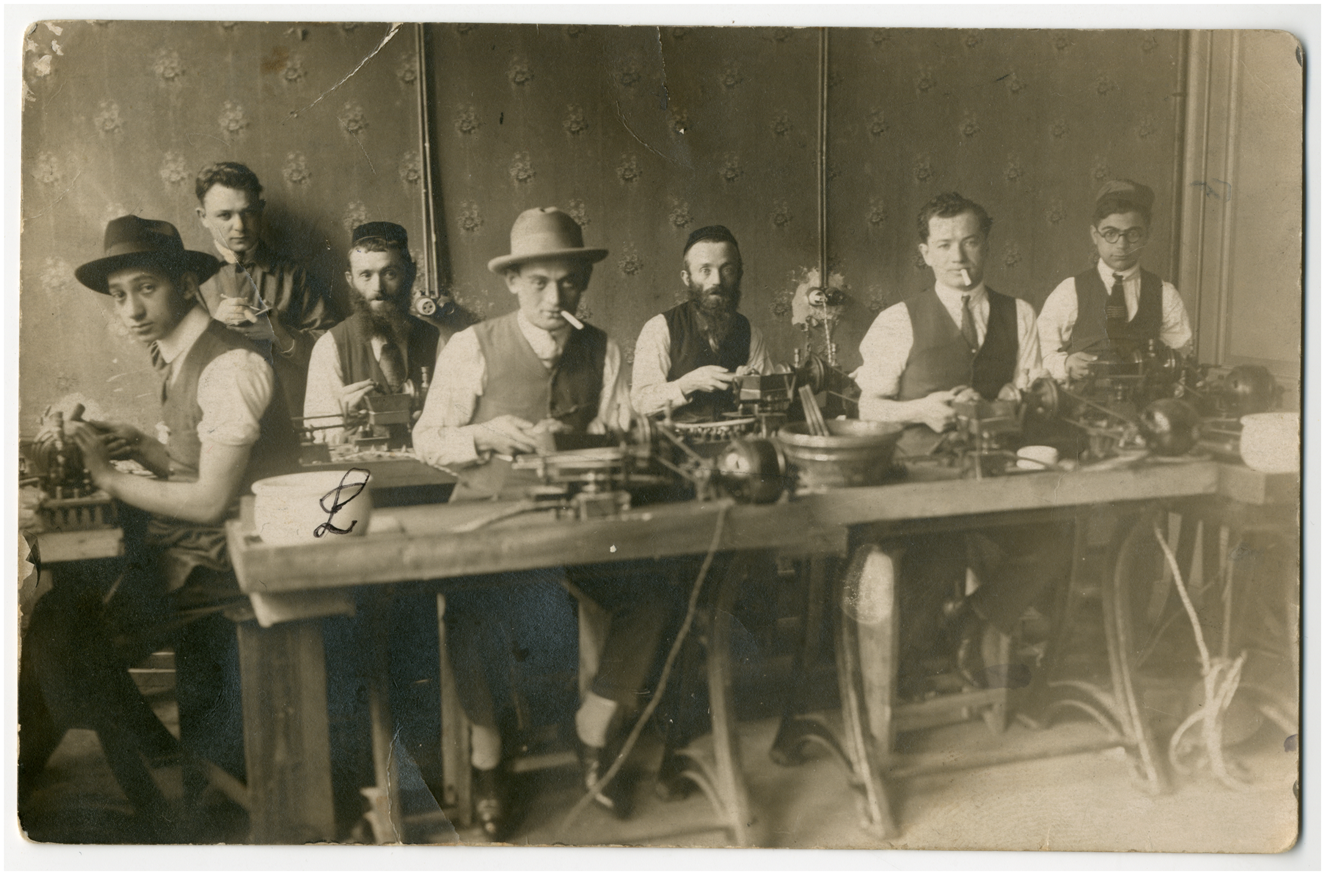
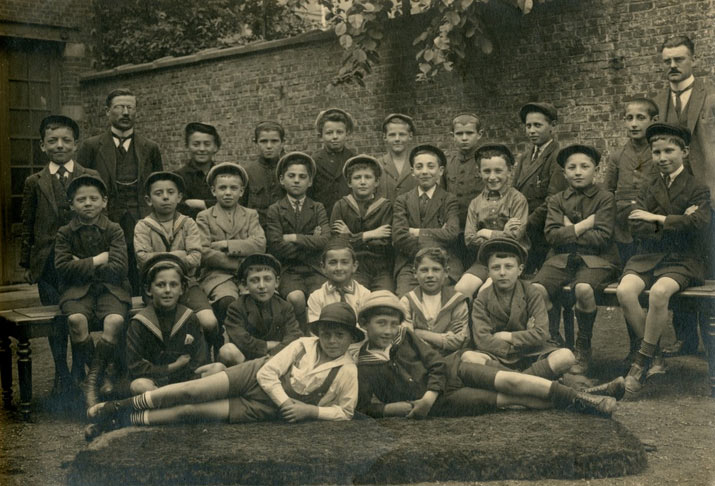
Religious and communal life flourished during the interwar period. Numerous synagogues, prayer houses, and study circles operated throughout the city, reflecting a wide range of religious observance from Orthodox to more liberal traditions. Major synagogues such as the Hollands Synagoge and the Romi Goldmuntz Synagogue became central institutions of Jewish life. Jewish schools provided both religious and general education, Jesode Hatorah (founded 1895), and Tachkemoni (founded 1920), and the yeshiva founded in Heide in 1929—the first Talmudic high school in Belgium. Charitable organizations, cultural associations, and political movements—including Zionist, socialist, and religious groups—were active and well organized.
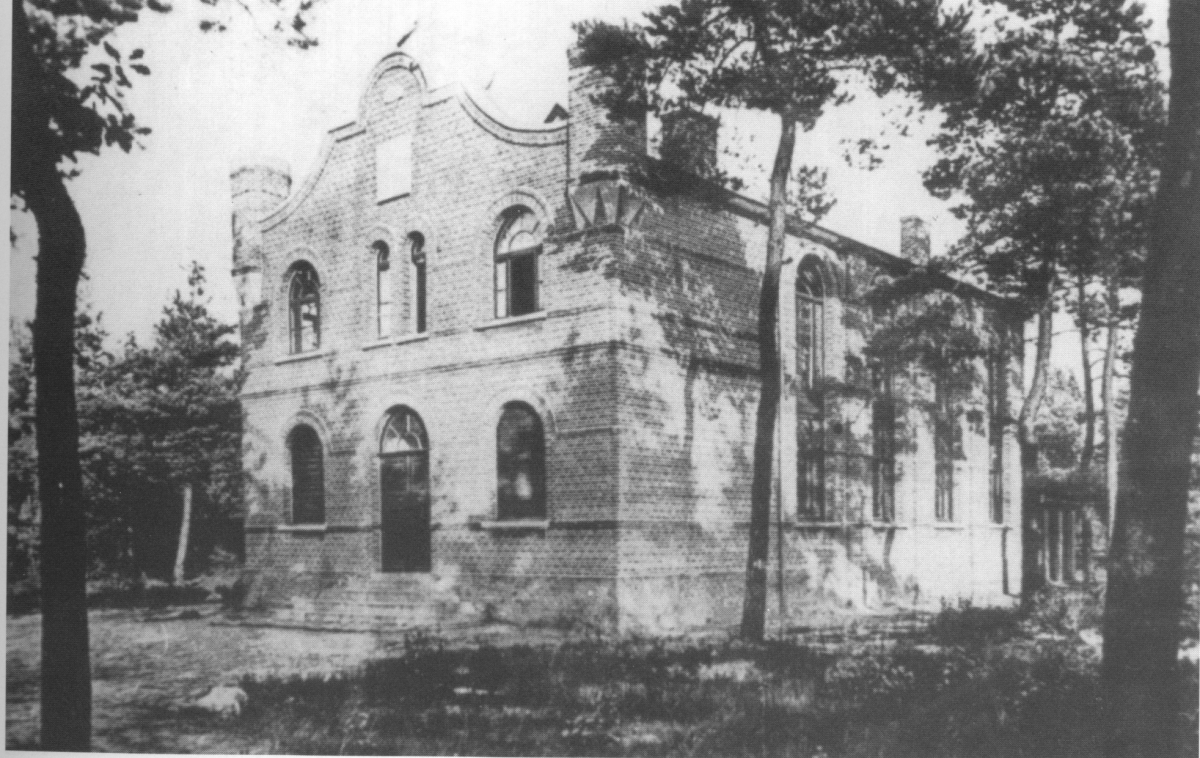
During the same period, a significant Jewish community also developed in the nearby district of Heide (part of Kalmthout). Starting in the 1920s, Jews from Antwerp were drawn to Heide both as holiday visitors and as permanent residents, contributing to the rapid growth and prosperity of the area. Between 1930 and 1942, there were at least 700 registered Jewish residents in Heide, and many more visited during weekends and summer months. The community established the only synagogue in Belgium outside a major city, constructed in 1927–28, and in 1929 founded the yeshiva. Hotels and boarding houses in Heide catered specifically to Jewish tourists and residents. This vibrant Jewish presence reflected broader patterns of mobility within the Antwerp region during the interwar years.
Despite this vibrant communal life, the 1930s also brought growing insecurity. The rise of fascism and Nazism in neighboring countries, combined with the arrival of Jewish refugees from Germany and Austria after 1933, increased tensions within Belgian society. Antisemitic movements and rhetoric became more visible in Antwerp, particularly in the late 1930s, foreshadowing the dangers that would soon confront the Jewish population with the outbreak of the Second World War.
References
- Schmidt, E. (1994). Geschiedenis van de Joden in Antwerpen. Antwerpen: Excelsior.
- Michman, D. (1998). Belgium and the Holocaust: Jews, Belgians, Germans. Jerusalem: Yad Vashem.
- Saerens, L. (2000). Vreemdelingen in een wereldstad: een geschiedenis van Antwerpen en zijn joodse bevolking (1880-1944). Tielt: Lannoo.
- Vromen, S. (2008). Hidden Children of the Holocaust: Belgian Nuns and their Daring Rescue of Young Jews from the Nazis. Oxford University Press.