Post-War Rebuilding
Post-War Rebuilding (1945–1960s/1970s)
After the liberation of Antwerp in September 1944 and the end of World War II in 1945, the city’s Jewish community faced the immense task of rebuilding from the devastation of the Holocaust. Antwerp had been declared Judenrein (cleansed of Jews) by German occupiers, and the majority of the pre-war Jewish population had been deported and murdered. Those who had survived the war—either in hiding, in Allied zones, or in concentration camps—began to return to the city in the months after liberation.
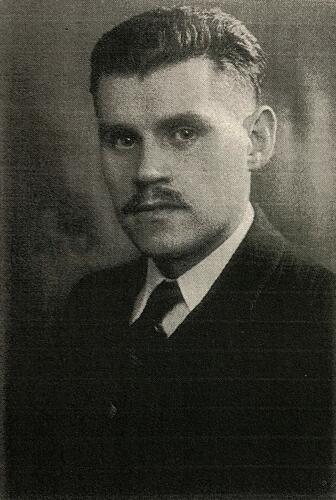
Many survivors encountered difficult conditions on their return. Homes and apartments that had belonged to Jewish families were often occupied by others—refugees, war victims, or Allied soldiers billeted by authorities—and personal belongings had frequently been looted or destroyed during the occupation. Jewish survivors struggled with housing, psychological trauma, uncertainty about the fate of family members, and the legal issues of reclaiming property. Prominent members of the wartime Jewish resistance, such as Jozef Sterngold, played important roles in organizing returning survivors and advocating for community needs.
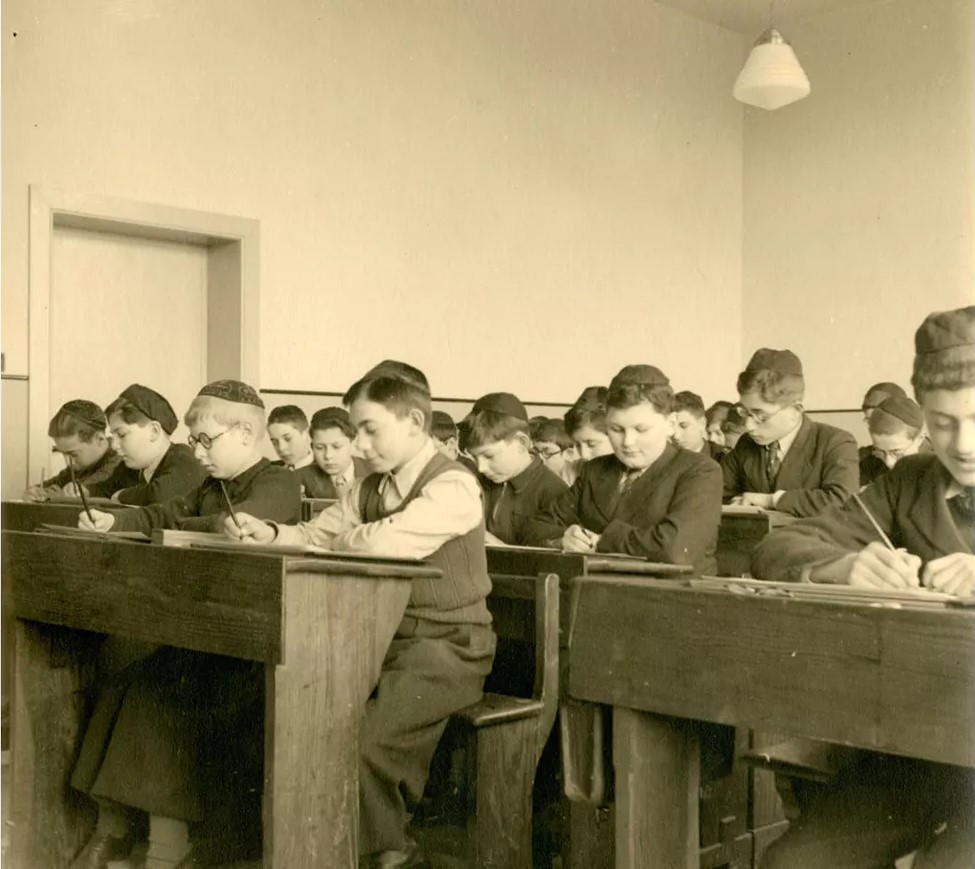
Reconstruction of communal and religious life began quickly. Synagogues and Jewish institutions that survived or could be restored were reopened, and Jewish education resumed. Key schools such as Jesode Hatora‑Beth Jacob (reopened May 1945) and Tachkemoni (reopened May 1945) formally resumed classes, serving returning families and educating the next generation of Jewish students.
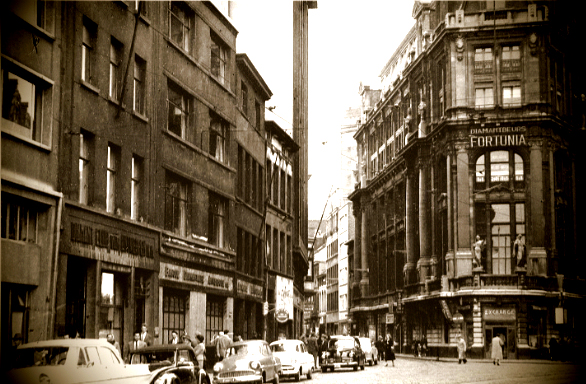
Economic life, particularly the diamond trade, was central to the revival of Antwerp’s Jewish community. Although the industry had been disrupted during the war, it regained momentum in the post-war years, drawing back many Jewish diamond merchants and workers who had been displaced. The diamond sector remained a significant economic engine for the community, helping to support families and rebuild livelihoods.
Throughout the 1950s and into the 1960s, Antwerp’s Jewish population slowly grew again. Newcomers included not only returning survivors but also Jewish migrants from other regions of Europe and North Africa. The focus on Jewish education continued, with schools enrolling the next generation in both religious and secular subjects, reinforcing community identity and continuity after the rupture of the Holocaust.
By the late 1960s and early 1970s, Jewish community life in Antwerp was once more visibly established. Jewish neighborhoods near the city center and around the diamond district retained their cultural vibrancy, with synagogues, schools, charities, and social organizations forming the backbone of daily life.
References
- Schmidt, E. (1994). Geschiedenis van de Joden in Antwerpen. Antwerpen: Excelsior.
- Michman, D. (1998). Belgium and the Holocaust: Jews, Belgians, Germans. Jerusalem: Yad Vashem.
- Saerens, L. (2000). Vreemdelingen in een wereldstad: een geschiedenis van Antwerpen en zijn joodse bevolking (1880-1944). Tielt: Lannoo.
- Vromen, S. (2008). Hidden Children of the Holocaust: Belgian Nuns and their Daring Rescue of Young Jews from the Nazis. Oxford University Press.