Modern-Day Antwerp Jewish Community
Modern-Day Antwerp Jewish Community
Demographics
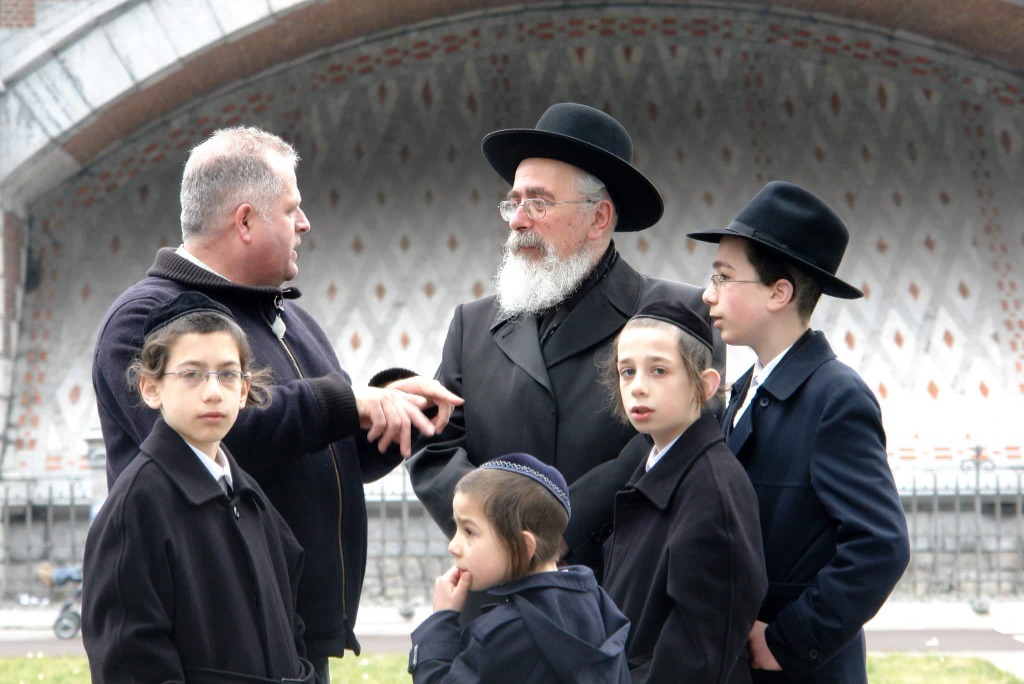
Today, Antwerp remains one of the largest and most vibrant Jewish communities in Europe. The city is home to the majority of Belgium’s Jewish population, with estimates generally placing the Jewish population of Antwerp between 20,000 and 30,000 individuals. A significant proportion of the community identifies with Orthodox and Haredi (ultra-Orthodox) Judaism, making Antwerp one of the most religiously observant Jewish centers in Europe.
Yiddish is widely spoken within the Haredi community, alongside Dutch, French, Hebrew, and English. Jewish families are concentrated primarily in neighborhoods near the Central Station and the historic diamond district.
Religious and Communal Life
Jewish life in Antwerp is centered around a dense network of synagogues, yeshivot, community organizations, and charitable institutions. The city is home to approximately thirty Orthodox synagogues and prayer houses, reflecting the diversity within the Orthodox and Hasidic communities.
Major communal bodies include Machsike Hadass, which represents several Hasidic groups such as Belz, Satmar, Vizhnitz, and Ger, as well as Shomre Hadas, which serves segments of the Modern Orthodox community. A Sephardic (Portuguese Rite) community also maintains its own synagogue and institutions.
Education
Jewish education remains one of the strongest pillars of Antwerp’s Jewish life. A large majority of Jewish children attend Jewish day schools, one of the highest enrollment rates in the Diaspora.
Key educational institutions include Jesode Hatorah–Beth Jacob, serving the Orthodox community; Tachkemoni, founded in 1920 and affiliated with Religious Zionist traditions; and Yavne, among others. Numerous yeshivot and girls’ seminaries provide advanced religious study within the Haredi sector.
Economic Life and the Diamond Industry
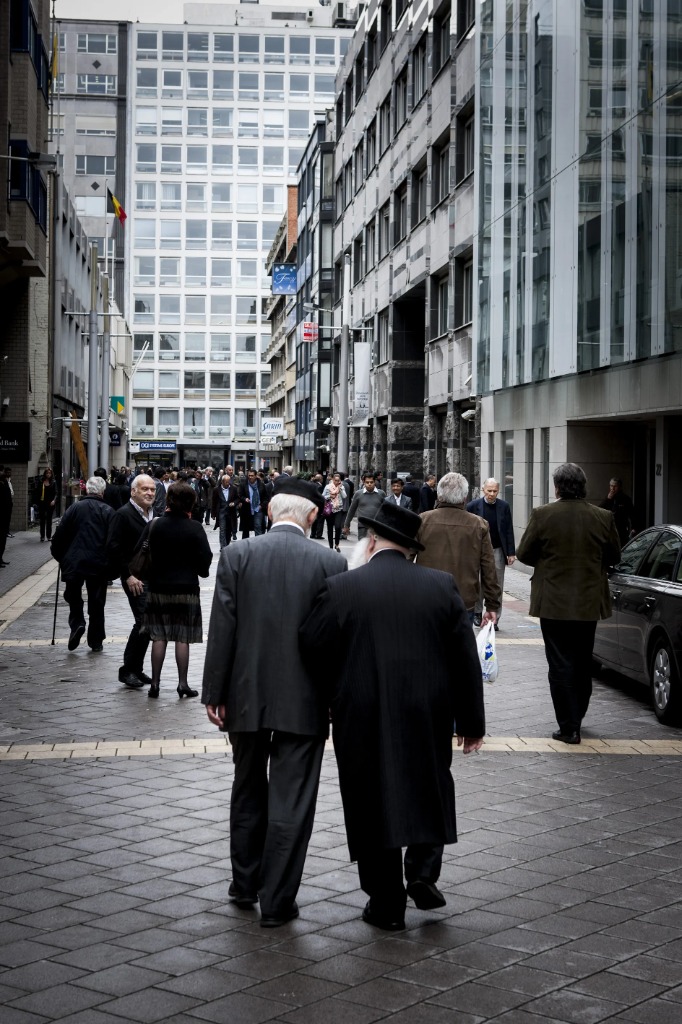
Antwerp has long been a global center of the diamond trade, and the Jewish community historically played a central role in its development. Although the diamond industry has become increasingly international and diversified, Jewish diamantaires continue to be active within the sector. The proximity of Jewish neighborhoods to the diamond district reflects this historic economic connection.
Cultural Life and Identity
The Jewish quarter near Antwerp Central Station remains culturally distinctive, with kosher bakeries, restaurants, bookstores, ritual baths, and community centers forming part of everyday life. Jewish holidays, public menorah lightings, and communal events contribute to the visible presence of Jewish life in the city.
Holocaust remembrance remains central to communal identity. Memorial ceremonies, educational initiatives, and cooperation with national remembrance institutions ensure that the memory of the Holocaust and the deportations from Belgium remain part of public consciousness.
Contemporary Challenges
In recent decades, the Jewish community of Antwerp has faced challenges including concerns about antisemitism and security. Protective measures around schools and synagogues have become a regular feature of communal life. At the same time, Jewish organizations remain active in civic engagement, interfaith dialogue, and maintaining strong ties with Israel and Jewish communities worldwide.
References
- Schmidt, E. (1994). Geschiedenis van de Joden in Antwerpen. Antwerpen: Excelsior.
- Michman, D. (1998). Belgium and the Holocaust: Jews, Belgians, Germans. Jerusalem: Yad Vashem.
- Saerens, L. (2000). Vreemdelingen in een wereldstad: een geschiedenis van Antwerpen en zijn joodse bevolking (1880-1944). Tielt: Lannoo.
- Vromen, S. (2008). Hidden Children of the Holocaust: Belgian Nuns and their Daring Rescue of Young Jews from the Nazis. Oxford University Press.