The Early Settlement
The Early Settlement
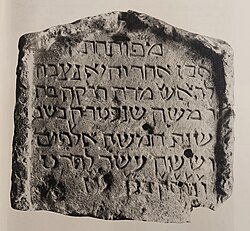
Jews may have followed the Roman legions to what is today Belgium around 53–57 CE, but no continuous Jewish presence from this period has been firmly established. The earliest documented organized Jewish settlement in the region dates to the early 11th century.
In 1022, Baldwin IV, Count of Flanders, invited Jacob bar Jequthiel and thirty other Jews from Rouen to settle in Arras. This invitation was motivated primarily by economic considerations, as Jewish merchants and financiers were seen as contributors to regional development. Although Arras is today located in northern France, it was at the time part of the County of Flanders, a territory historically linked to what is now Belgium.
The first tangible archaeological proof of a Jewish presence in present-day Belgium dates to the 13th century. A tombstone from 1255–1256, discovered in Tienen (Tirlemont), bears the name Rebecca bat Moshe.
Jewish Immigration in the 12th–14th Centuries
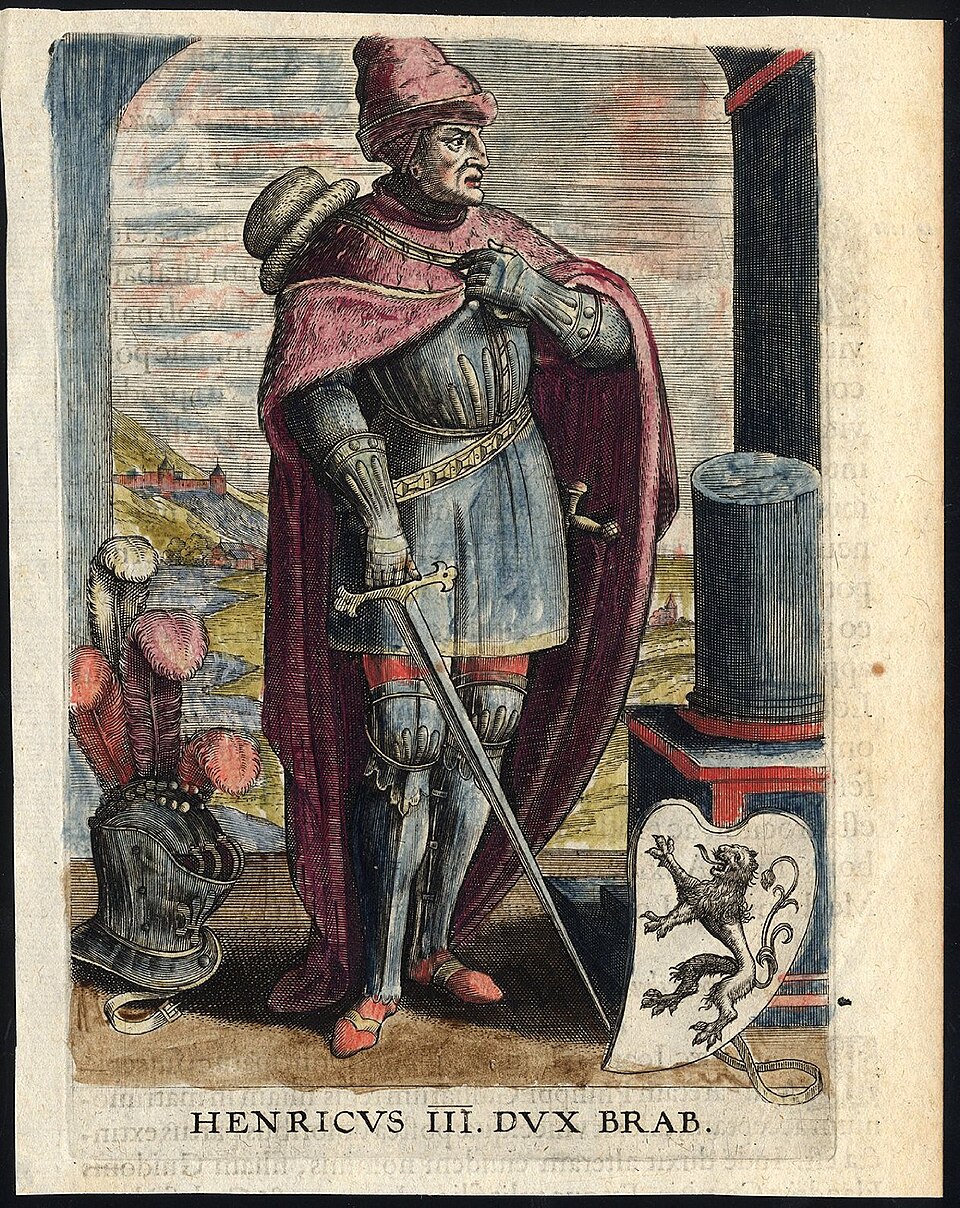
By the 13th century, Jewish communities were established in Brabant, including Antwerp and Brussels, as well as in other urban centers of the region. The first official document referring specifically to a Jewish community in Antwerp appears in the will of Henry III, Duke of Brabant. In 1261, he expressed his wish that the Jews of Brabant be expelled, citing their perceived role as usurers. Although this expulsion was never carried out, Jewish residents were subjected to increased taxation and legal restrictions.
Between the 12th and 14th centuries, Jews—mostly originating from German territories along the Rhine—settled in the Duchy of Brabant, particularly in Brussels, and in the County of Hainaut, especially in Mons. These communities were small and fragile.
During the mid-14th century, amid the outbreak of the Bubonic Plague (1348–1349), Jews in Antwerp and other major cities were accused of poisoning wells. These accusations led to severe persecution, with many Jews being hanged, burned at the stake, beaten to death, or drowned. Similar violence occurred across the region, contributing to the destruction of several Jewish communities.
In 1370, Jews in Brussels who had survived earlier persecutions were burned at the stake, leading to the near-total disappearance of the Jewish community in the city.
Additional evidence of Jewish life in medieval Belgium includes a Hebrew manuscript dated to 1310, preserved in the University of Hamburg library, which was written by a scribe from Brussels.
References
- Schmidt, E. (1994). Geschiedenis van de Joden in Antwerpen. Antwerpen: Excelsior.
- Michman, D. (1998). Belgium and the Holocaust: Jews, Belgians, Germans. Jerusalem: Yad Vashem.
- Saerens, L. (2000). Vreemdelingen in een wereldstad: een geschiedenis van Antwerpen en zijn joodse bevolking (1880-1944). Tielt: Lannoo.
- Vromen, S. (2008). Hidden Children of the Holocaust: Belgian Nuns and their Daring Rescue of Young Jews from the Nazis. Oxford University Press.