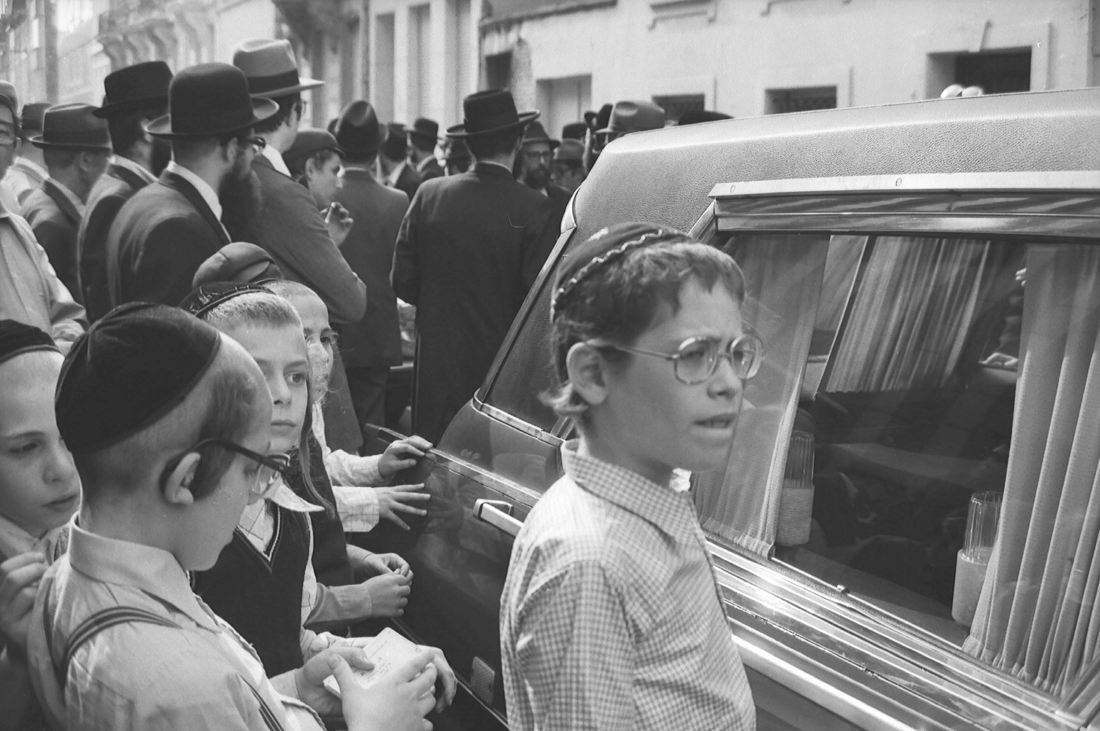
Overview: On a summer afternoon in July 1980, a peaceful gathering of Jewish children and their families in Antwerp turned into a horrifying scene of violence. What should have been a routine moment of joy — children waiting to board a bus for summer camp — ended in a devastating attack that left one boy dead and many others injured. This incident left a deep mark on the Jewish community in Belgium and became one of the most shocking antisemitic attacks in the country’s modern history.
The Incident
Around forty children, most between 10 and 14 years old, were waiting near the Agoudath Israel centre in Antwerp, preparing to depart for a summer camp. Suddenly, a man threw hand grenades into the group. The explosions caused chaos, injuries, and panic among both children and adults.
Tragically, 15-year-old David Kohane lost his life in the attack. About twenty people were injured, including several young children. Among them were Zevi and Motti Glejser, brothers aged 8 and 9, who were nearby when the grenades exploded. Witnesses described frantic scenes as families tried to help the injured before emergency responders arrived.
The Attacker and Motive
The perpetrator, Said Al Nasr, of Syrian-Palestinian origin, was quickly apprehended by Belgian authorities. He was carrying grenades and additional weapons at the time of the attack. Al Nasr later told investigators that he carried out the attack as part of a political motive linked to the Arab–Israeli conflict. The assault, targeting children and civilians, was widely regarded as an act of terrorism rather than a precise political action.
Al Nasr was convicted in a Belgian court for his crimes. Years later, he became part of a controversial prisoner exchange, highlighting the complex international and political consequences surrounding the case.
Community Reaction and Aftermath
The attack sent shockwaves through Antwerp’s Jewish community and Jewish institutions across Europe. In the immediate aftermath, many Jewish centres in Belgium were placed under constant police protection. Parents and community leaders called for stronger measures to protect children and other vulnerable groups from politically motivated violence.
The incident also prompted broader discussions on antisemitism in Europe, highlighting the vulnerability of Jewish communities even in countries far from the Middle East conflict.
Legacy
The 1980 attack remains a solemn reminder of the dangers of hate-driven violence. For the Jewish community in Belgium, the memory of that day continues to influence discussions on safety, communal vigilance, and the importance of protecting minority groups from acts of terror. It stands as both a memorial to the victims and a lesson in the ongoing need to combat antisemitism.
References
-
Wikipedia
— “1980 Antwerp attack”
Overview of the attack, including details on the victims, perpetrator, and immediate aftermath.
-
Wikipedia
— “Said Al Nasr”
Biographical information on the perpetrator and his involvement in the attack.
-
Jewish Telegraphic Agency —
“Jewish Institutions in Belgium Given Around the Clock Police Protection After
Terror
Attack”
Report on the immediate security measures taken to protect Jewish institutions following the incident.
-
Jewish Telegraphic Agency —
“Victim of Terrorist Attack in Antwerp Is Buried; All Wounded Except One Are Out of
Danger”
Coverage of the funeral for David Kohane and updates on the condition of the injured.
-
Morasha — “Antisemitism in
Belgium”
Broader context of antisemitic incidents and trends within Belgium.