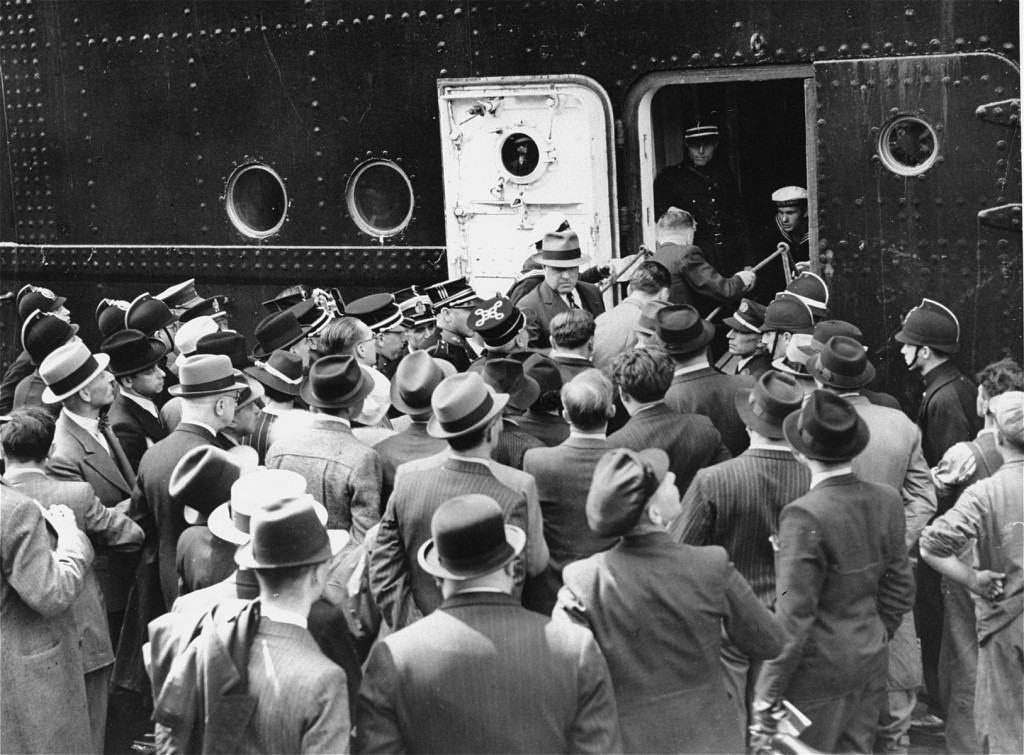
Introduction: The connection between Antwerp's Jewish community and the Caribbean nation of Cuba during the late 1930s and 1940s represents one of the most remarkable stories of survival, tragedy, and economic resourcefulness of the World War II era. It is a narrative in two parts: first, the heartbreaking voyage of the MS St. Louis that brought rejected Jewish refugees back to Antwerp's harbor; and second, the subsequent flight of Antwerp's Jewish diamond merchants to Havana, where they established a temporary, flourishing industrial refuge.
The St. Louis Crisis (1939)
In May 1939, the German ocean liner MS St. Louis departed from Hamburg, bound for Havana, Cuba. On board were 937 passengers, the vast majority of whom were Jewish refugees escaping Nazi persecution. Most of the passengers held Cuban landing certificates which they believed would grant them entry. However, upon arrival in Havana on May 27, the Cuban government invalidly revoked their permits and refused to let the refugees disembark.
Despite desperate appeals, the ship was turned away not only from Cuba but also from the United States and Canada. Captain Gustav Schröder was forced to steer the ship back toward Europe. During the return voyage, the American Jewish Joint Distribution Committee (JDC) negotiated with Western European nations to accept the refugees, posting a $500,000 cash guarantee to secure their refuge.
On June 17, 1939, the St. Louis docked at the Port of Antwerp. The passengers finally disembarked on Belgian soil. Belgium welcomed 214 of the passengers, while the rest were distributed among France, the Netherlands, and Great Britain. Sadly, when Nazi Germany occupied Belgium and neighboring nations a year later, many of these refugees were trapped again. Ultimately, 84 of the 214 passengers who disembarked in Belgium perished in the Holocaust.
A Sparkling Refuge: Antwerp's Diamond Industry in Havana (1940–1945)
Following the Nazi invasion of Belgium in May 1940, Antwerp's Jewish community faced immediate danger. As the global center of the diamond trade, Antwerp's industry was heavily Jewish-run. Facing persecution, thousands of Jewish diamond dealers, polishers, and cutters fled the country. A significant group managed to secure visas to Cuba, establishing themselves in Havana.
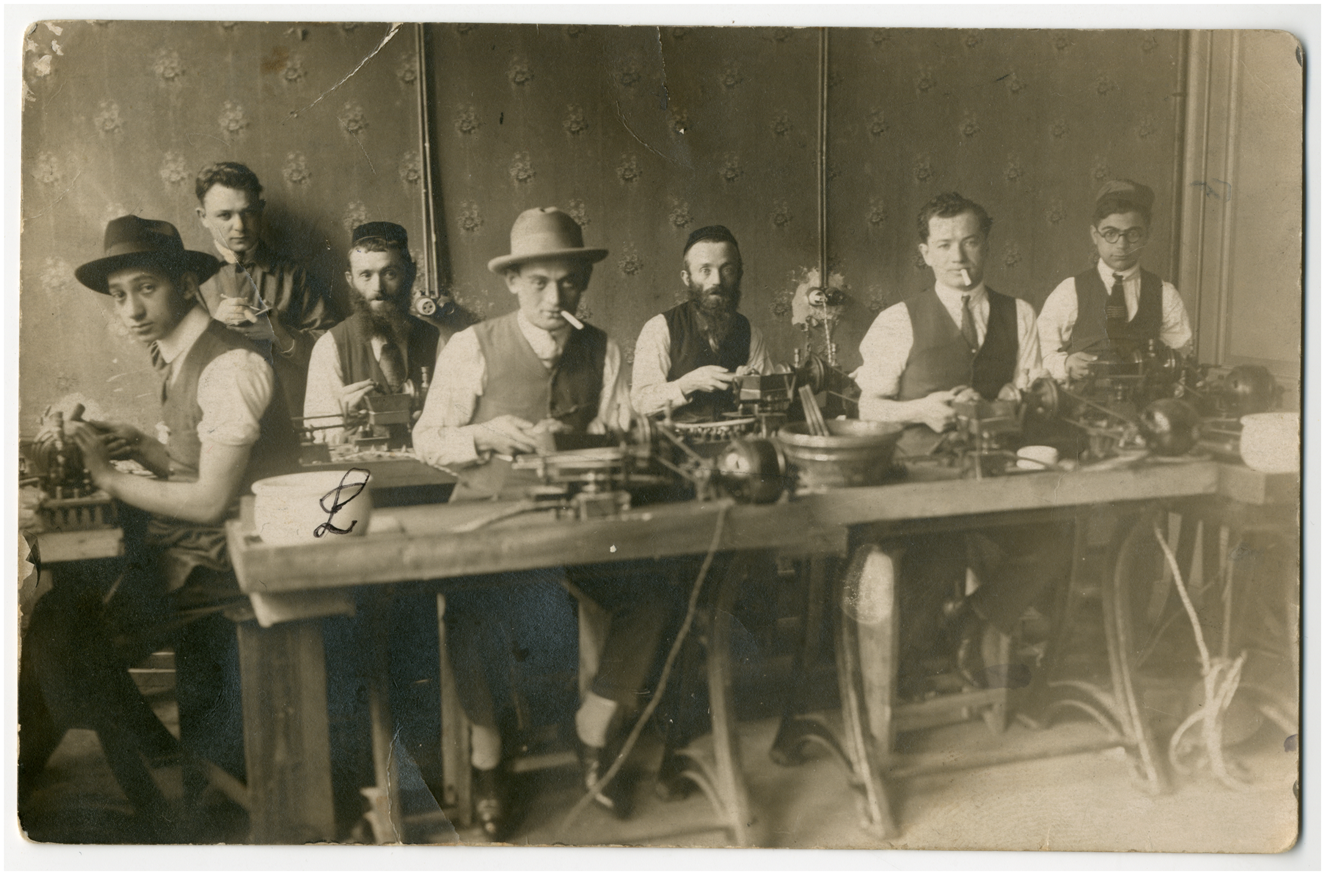
Realizing that they could resume their trade, the refugees convinced the Cuban government to permit the import of raw diamonds and the establishment of manufacturing workshops. Because diamond cutting and polishing required relatively light machinery—primarily cutting benches and hand-operated tools—the refugees were able to build local facilities from scratch, sometimes importing machinery parts or fabricating them in Havana.
This industry transformed Cuba into a major wartime center for the global gem trade:
- Economic Growth: At its peak, the diamond industry in Havana housed dozens of workshops and employed between 3,000 and 5,000 workers, providing essential jobs for both Jewish refugees and local Cubans.
- Survival through Trade: The business provided a critical source of income that allowed hundreds of Jewish families to support themselves throughout the war years.
- Cultural Fusion: The workshops fostered close relationships between the Antwerp refugees and local Cubans, who learned the complex art of diamond polishing from European masters.
Post-War Legacy
Following the allied victory and the liberation of Belgium in 1944–45, the temporary diamond industry in Havana quickly wound down. As Antwerp began the long process of rebuilding its historic diamond quarter, many of the refugees returned to Belgium, while others emigrated to the United States (primarily New York) and the newly established State of Israel to continue their work.
Cuba's brief era as a Caribbean diamond hub came to an end, but the episode remains a testament to the resilience of Antwerp's Jewish community, who carried their skills across the Atlantic to build a sanctuary in the face of destruction.
References
- United States Holocaust Memorial Museum (USHMM): "Voyage of the St. Louis" (Encyclopedia of the Holocaust).
- American Jewish Joint Distribution Committee (JDC) Archives: "The Rescue of the St. Louis Passengers, June 1939".
- Documentary Film: Cuba's Forgotten Jewels: A Haven in Havana (2017), directed by Robin Truesdale and Judy Kreith.
- The Times of Israel: "How Jewish refugees created a sparkling diamond industry in wartime Cuba".