Le règlement précoce
Le règlement précoce
Les Juifs ont peut-être suivi les légions romaines dans ce qui est aujourd'hui la Belgique vers 53-57 CE, mais aucune présence juive continue à partir de cette période n'a été fermement établie. La première colonie juive organisée documentée dans la région remonte au début 11ème siècle.
En 1022, Baudouin IV, comte de Flandre, invité Barre Jacob Jéquthiel et trente autres Juifs de Rouen pour s'installer à Arras. Cette invitation était motivée avant tout par des raisons économiques considérations, car les commerçants et financiers juifs étaient considérés comme des contributeurs au développement régional. développement. Bien qu'Arras soit aujourd'hui située dans le nord de la France, elle faisait à l'époque partie du Comté de Flandre, un territoire historiquement lié à l'actuelle Belgique.
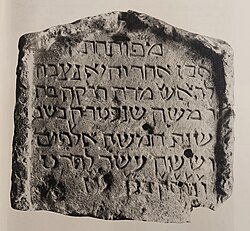
La première preuve archéologique tangible d'une présence juive dans la Belgique actuelle date du XIIIe siècle. Une pierre tombale de 1255-1256, découverte à Tienen (Tirlemont), porte le nom Rebecca bat Moshe.
L'immigration juive aux XIIe et XIVe siècles
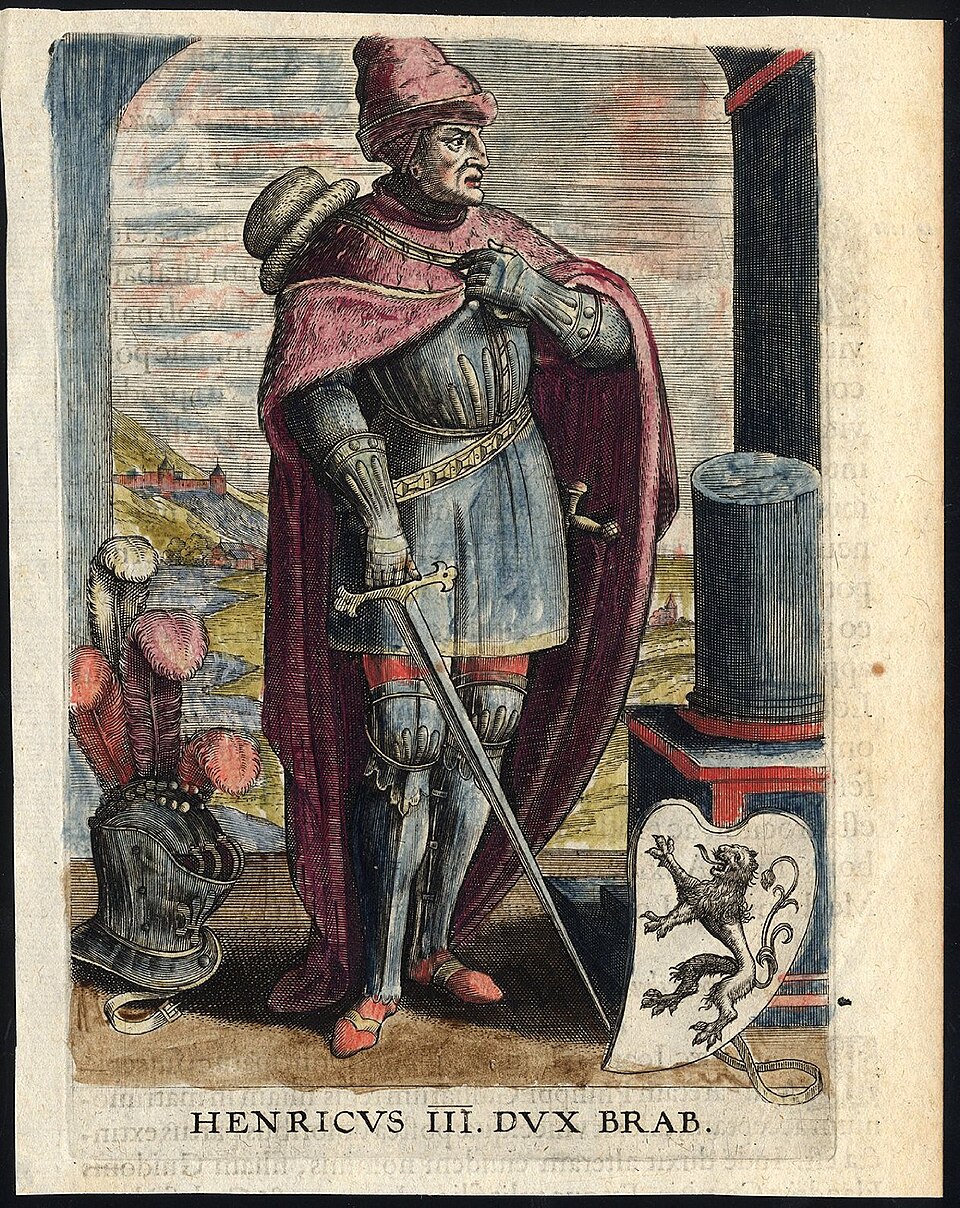
Au XIIIe siècle, des communautés juives s'établissaient dans le Brabant, notamment à Anvers. et à Bruxelles, ainsi que dans d'autres centres urbains de la région. Le premier document officiel faisant spécifiquement référence à une communauté juive d'Anvers apparaît dans le testament de Henri III, Duc de Brabant. En 1261, il exprime son souhait que les Juifs du Brabant soient expulsé, citant leur rôle perçu d’usuriers. Bien que cette expulsion n'ait jamais eu lieu, Les résidents juifs ont été soumis à des impôts accrus et à des restrictions légales.
Entre le XIIe et le XIVe siècle, les Juifs, originaires pour la plupart des territoires allemands, le long du Rhin, installés dans le duché de Brabant, notamment à Bruxelles, et dans le Comté de Hainaut, notamment à Mons. Ces communautés étaient petites et fragiles.
Au milieu du XIVe siècle, au moment où éclatait la Peste bubonique (1348-1349), Les Juifs d'Anvers et d'autres grandes villes furent accusés d'avoir empoisonné des puits. Ces accusations ont conduit à de graves persécutions, au cours desquelles de nombreux Juifs ont été pendus, brûlés vifs, battus à mort ou noyés. Des violences similaires se sont produites partout la région, contribuant à la destruction de plusieurs communautés juives.
En 1370, les Juifs de Bruxelles qui avaient survécu aux persécutions antérieures furent brûlés vifs. conduisant à la disparition quasi totale de la communauté juive de la ville.
Des preuves supplémentaires de la vie juive dans la Belgique médiévale comprennent un manuscrit hébreu daté de 1310, conservé à la bibliothèque de l'Université de Hambourg, qui a été écrit par un scribe bruxellois.
Références
- En ligneSchmidt, E. (1994). Geschiedenis van de Joden à Anvers. Anvers : Excelsior.
- Michman, D. (1998). La Belgique et l'Holocauste : Juifs, Belges, Allemands. Jérusalem : Yad Vashem.
- Saerens, L. (2000). Vreemdelingen in een warldstad: een geschiedenis van Anvers en zijn joose bevolking (1880-1944). Tielt : Lannoo.
- Vromen, S. (2008). Enfants cachés de l'Holocauste : les religieuses belges et leur audace Sauvetage de jeunes juifs des nazis. Presse de l'Université d'Oxford.